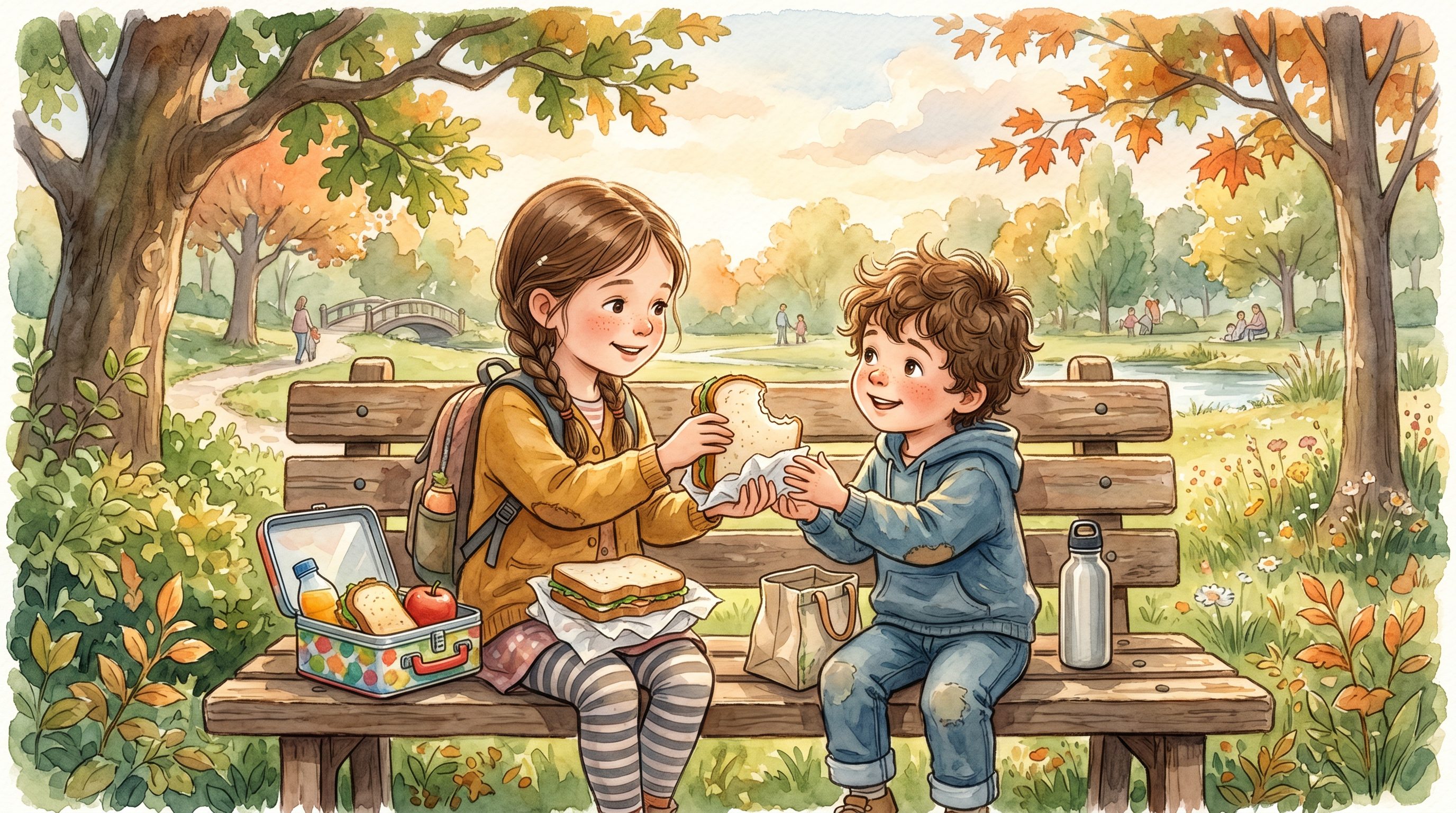
"That's Mine" Is the Default Setting
Kids do not arrive pre-wired to share. If you've ever watched two toddlers encounter the same toy, you already know this. The default setting is possession — mine, mine, mine — and it takes years of patient, consistent teaching to move from there to genuine generosity.
Most parents try to move this needle through rules and enforcement. "You have to share" is the universal parental decree. And it sort of works — until you turn your back. What we actually want is a kid who shares not because they'll get in trouble if they don't, but because they understand why it matters.
That's a faith conversation. And it's one worth having at bedtime, in small doses, over time.
What the Bible Says About Sharing
The Bible treats generosity as one of the clearest reflections of what God is like. He is, by nature, a giver. John 3:16 opens with "God so loved the world that he gave" — giving isn't an afterthought of His character, it's the expression of it. Teaching your kid to share is teaching them to reflect who God is.
Luke 6:38 is a great one to read with younger kids: "Give, and it will be given to you." That's a concept even a five-year-old can start to grasp. Proverbs 11:24-25 says: "One person gives freely, yet gains even more... A generous person will prosper." Not a prosperity gospel pitch — just the honest reality that generosity changes the heart of the person doing the giving.
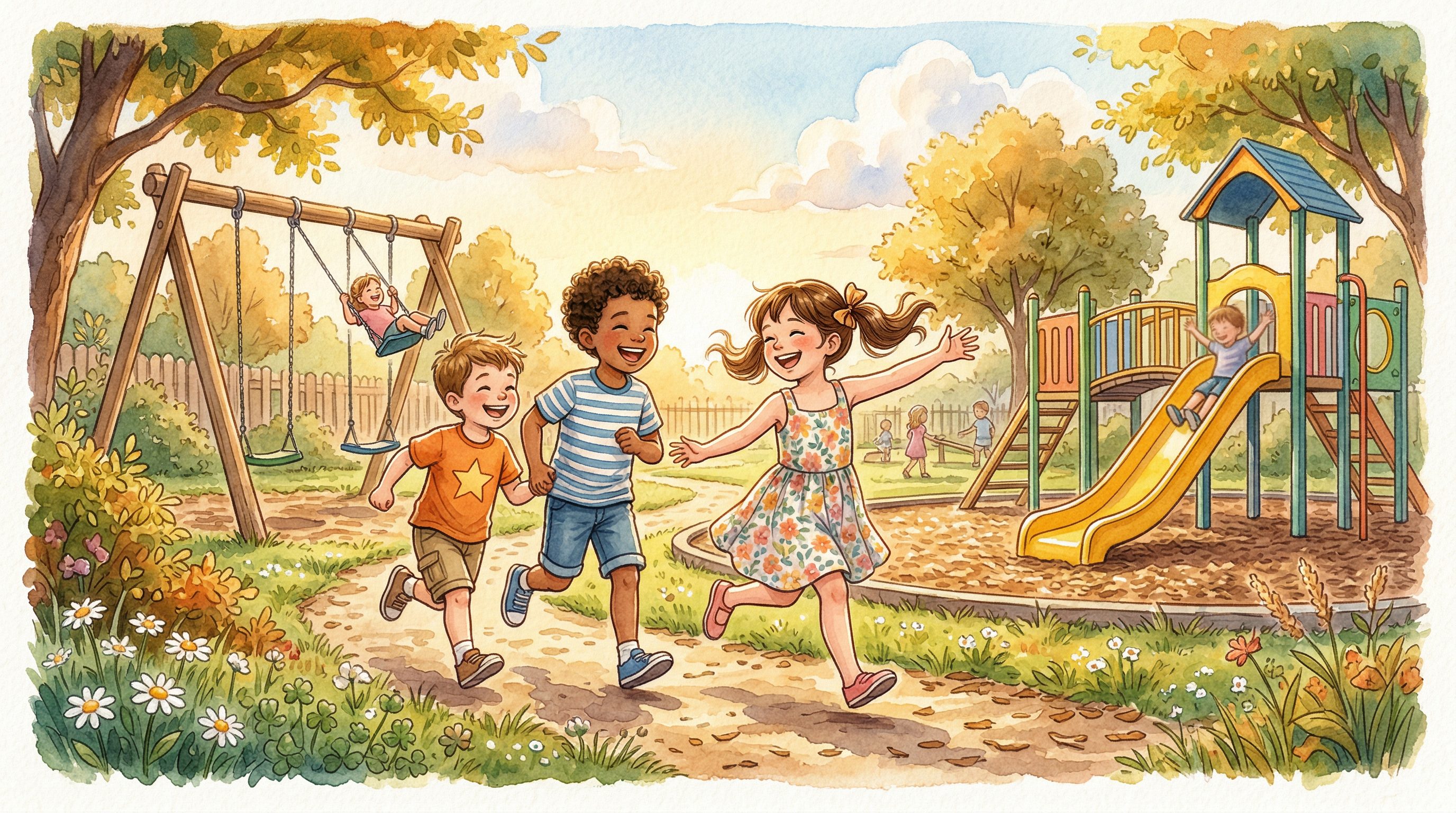
This is the angle that makes sharing click for kids: it's not about the toy. It's about the kind of person they're becoming. And that's a story worth telling.
<
Why "You Have to Share" Isn't Enough
Rules produce compliance. Formation produces character. There's a difference between a kid who shares because you're watching and a kid who shares because it's who they are. The goal is the second one, and you can't get there through enforcement alone.
When you ask a child to share a toy mid-play, you're asking them to override a strong emotional impulse — attachment, fairness, excitement about the thing they have. That's genuinely hard. You're not dealing with a defiant child. You're dealing with a human child whose brain isn't fully developed yet.
What actually moves the needle is when sharing gets connected to something bigger. A story. A reason they can hold onto. A sense of identity — "that's what kind of person I am." That's what devotional time can build that rules alone can't.
A Simple Devotional Framework for Sharing
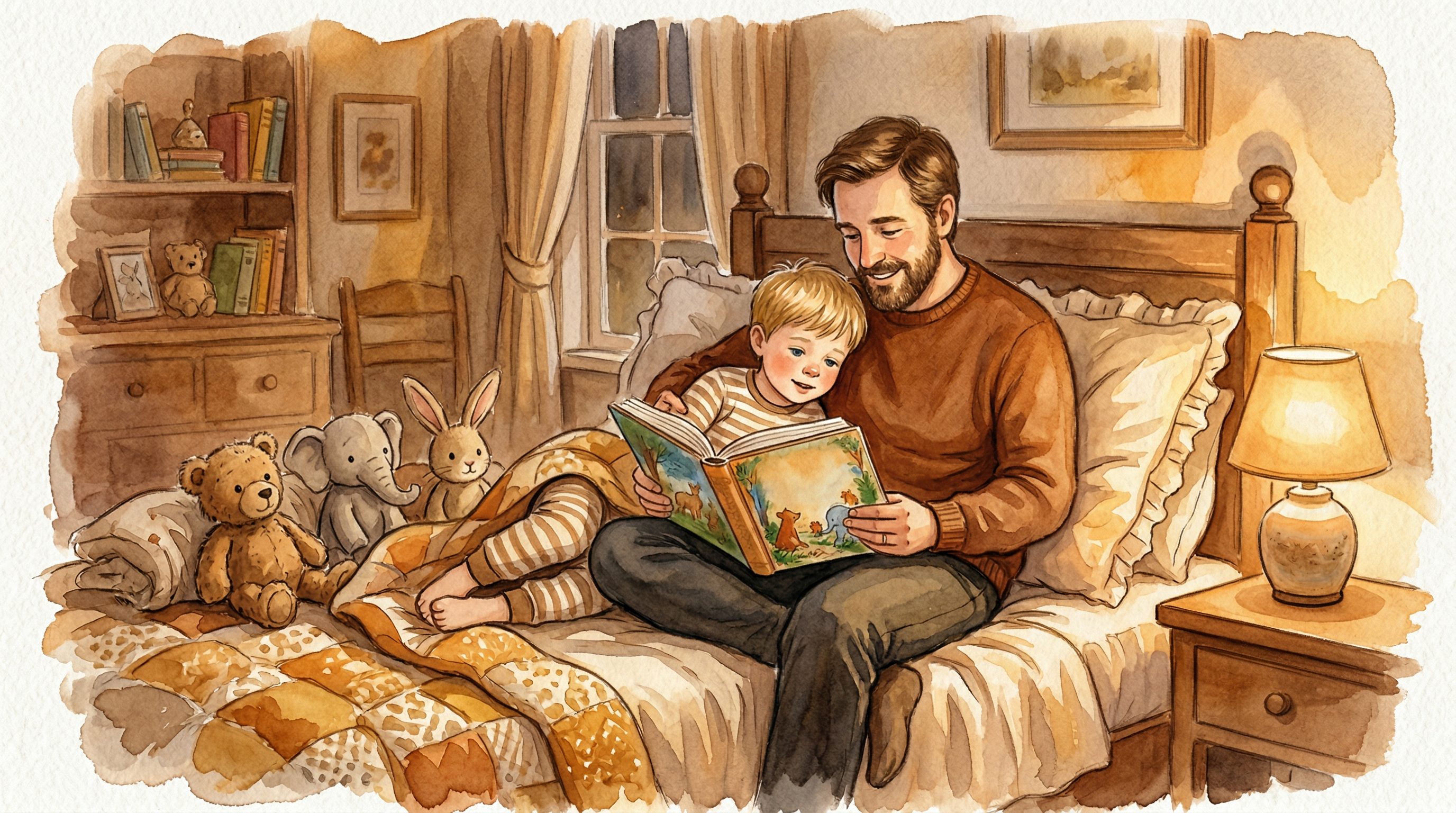
Here's how to structure a sharing conversation at bedtime without it feeling like a lecture:
- Start with a moment from their day. "Did you share anything today? Did someone share something with you? How did that feel?" Let them talk first.
- Read a verse together. Keep it short. Luke 6:38 works well. Ask: "What do you think God means by that?"
- Tell them a story. It doesn't have to be biblical — a real moment from your own day works great. "I gave a coworker the last cup of coffee today because they looked like they needed it more. It felt good." Simple. Human. Real.
- End with a challenge. "Tomorrow, let's see if you can find one person to share something with. It doesn't have to be big."
That's it. Fifteen minutes or less. You're not covering theology — you're planting a seed.
<
The Difference Between Sharing and Generosity
These words get used interchangeably, but there's a distinction worth teaching. Sharing is usually situational — you have something and someone else needs it. Generosity is a posture — you orient your life toward giving, not just in the moment but as a way of being in the world.
Kids can grasp this if you frame it right. Sharing is "I'll let you have some of my snack." Generosity is "I wanted you to have that because I care about you." Both matter. But generosity is the deeper thing, and it grows from a heart that has been formed over time.
For a deep dive into the biblical heart behind generosity, this article on teaching kids generosity is worth reading together or alongside tonight's conversation — it gets into the hard moments when giving actually costs something. And if you want to connect generosity to the bigger picture of how we treat each other, the devotional on kindness is the natural companion piece.
When Your Kid Pushes Back on Sharing
It's going to happen. You ask them to share and they say no, or they share resentfully, or they give something and then spend the next ten minutes sulking. This is normal. Don't overcorrect.
What you're looking for isn't perfect execution. You're looking for growth over time. A kid who sulks through sharing at age five and begins to give freely at nine has learned something real. That doesn't happen in a single devotional — it happens in the accumulation of small conversations across years.
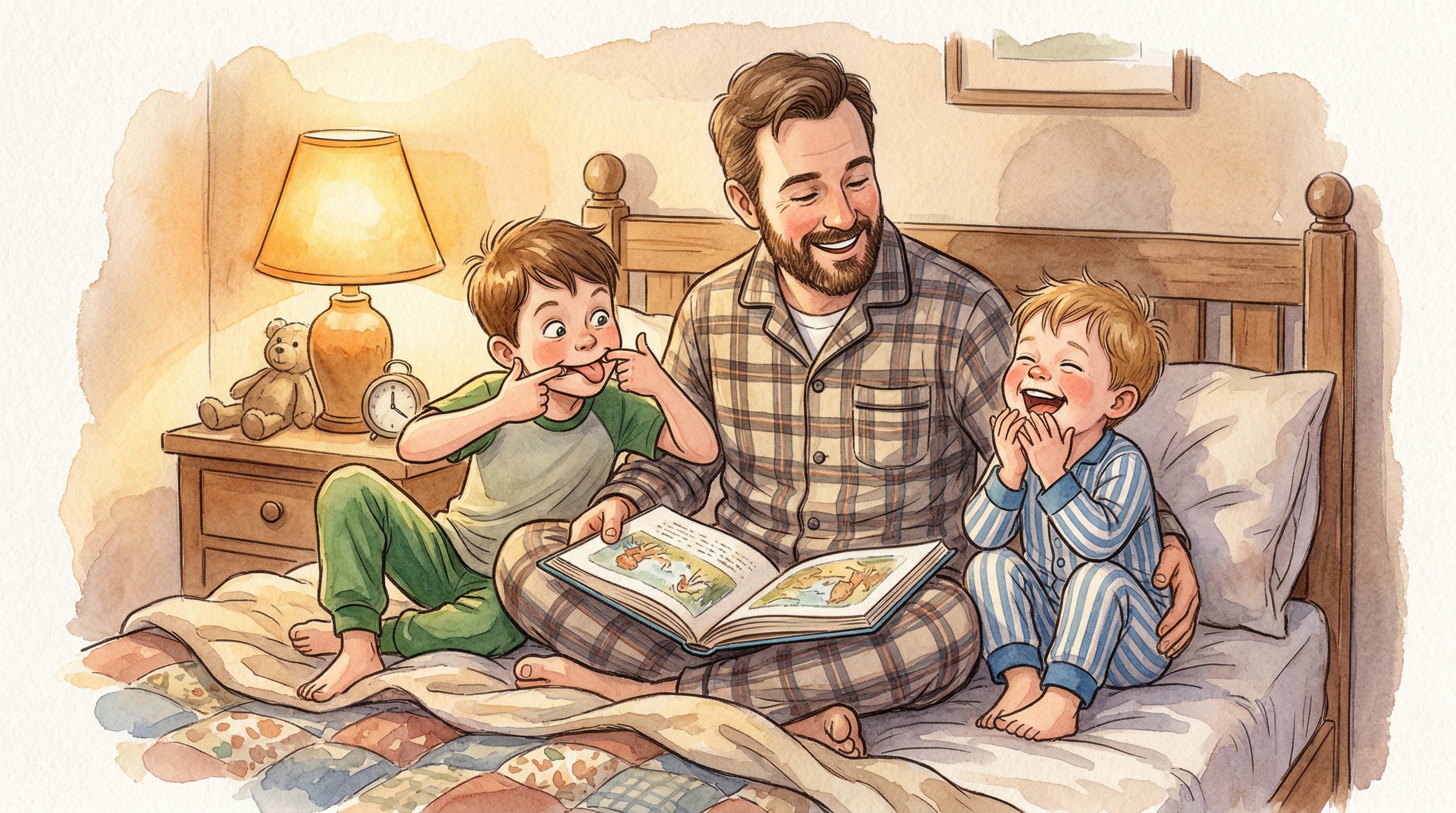
Stay patient. Stay consistent. Keep the faith framework front and center. You are doing something that compounds.
<
Teaching Gratitude and Generosity Together
These two belong together. A kid who doesn't feel like they have enough will struggle to give freely. Gratitude — the genuine recognition that they have more than they realize — is the soil that generosity grows in. When your kid genuinely feels grateful for what they have, sharing stops being a loss and starts being a natural overflow.
Try this at bedtime: before you get to the generosity conversation, spend two minutes on gratitude. "What's something good that happened today? What do you have that you're glad you have?" Let them list things. Then ask: "Since you have all that — is there anything you could share with someone who has less?" The sequence matters. Gratitude first, generosity second. It's not manipulation — it's the actual order in which the heart has to move.
Generosity at Home Starts With What They See
Your kids are watching you more than they're listening to you. If they see you give your time freely, share your stuff without complaint, and speak generously about other people — that's formation happening without a word. If they see you hoard, protect, and default to "mine," that's formation too.
This isn't meant to be guilt-inducing. It's just honest. The best devotional you can give your kid on generosity is a generous life in front of them. The bedtime conversation seals what they've already been seeing all day.
If you want practical ideas for making these conversations fun and engaging rather than preachy, this guide on keeping family devotions interesting is a good resource — it covers everything from short attention spans to how to make kids actually look forward to the nightly ritual.
Sharing and generosity are lifelong disciplines. You're starting something tonight that will pay off for decades. That's worth showing up for.
📖 Read This Tonight
Browse the full library of devotional series to find one that fits right where your kid is — generosity, kindness, big feelings, and more.
Get Notified When New Series Drop
We add new devotional series regularly. Sign up to hear about them first.
Join the Community