Kindness Is Easy When It Costs Nothing
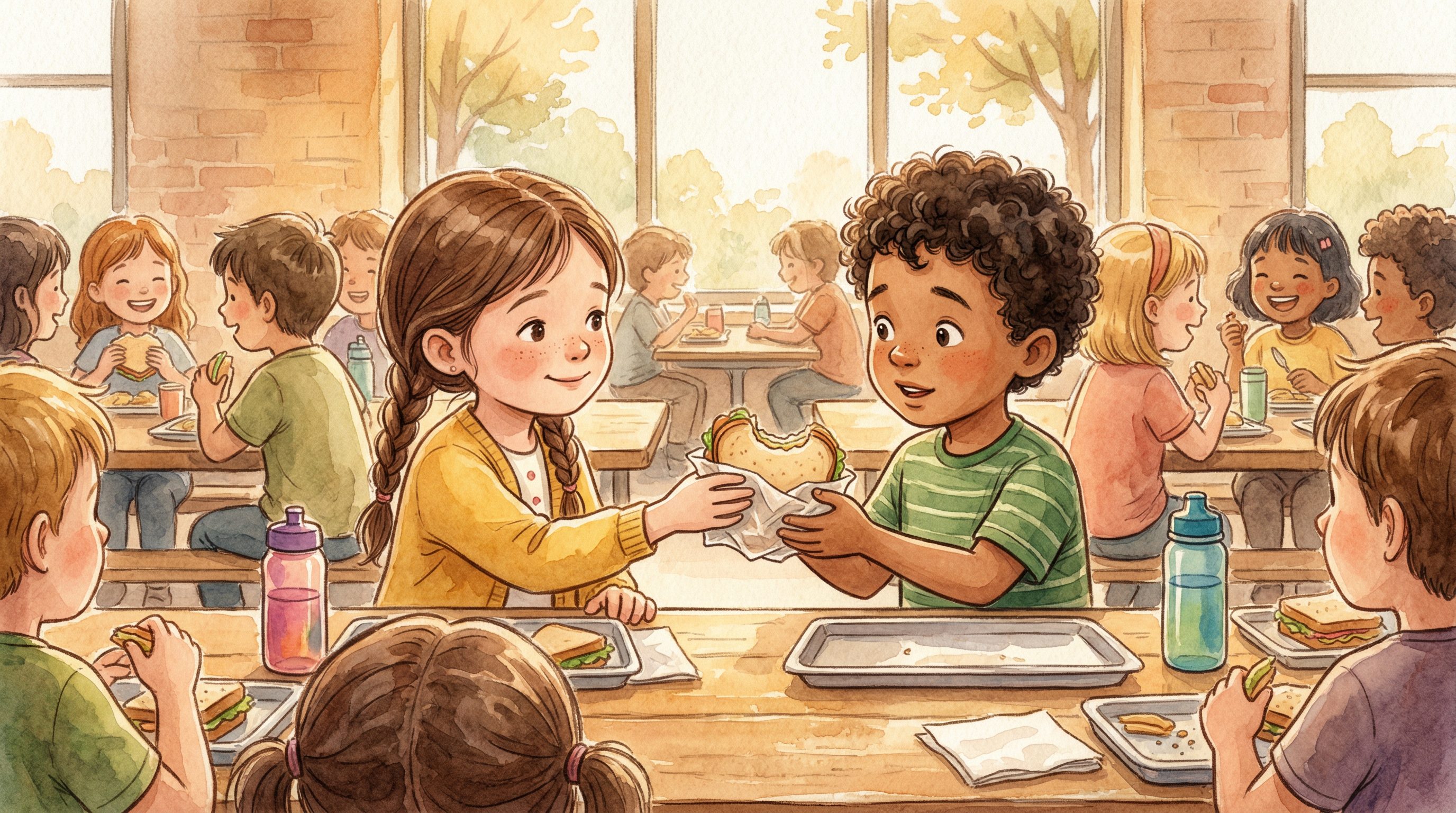
Your kid is probably already kind in comfortable situations. Sharing with a friend they like. Helping a sibling when they're in a good mood. Being sweet to grandma when everyone's watching. That's not hard kindness. That's social kindness — the kind that happens automatically because the environment makes it easy.
The kindness that actually shapes character is the other kind. The kind that's inconvenient. The kind that requires something — giving up your spot in line, being nice to someone who's been mean to you, including the kid nobody else includes. That kind doesn't come naturally. It has to be taught.
A devotional for kids about kindness is most useful when it goes past "be nice to people" and gets into the specific, harder situations where kindness actually costs something.
<
Why "Just Be Kind" Doesn't Stick
The instruction works in theory. In practice, kids hear "be kind" the same way they hear "eat your vegetables" — it registers as a value statement without giving them any practical direction.
What actually changes behavior is specificity. Instead of "be kind," try: "When you see someone sitting alone at lunch, what are you going to do?" Instead of "treat people the way you want to be treated," try: "Think about a time someone made you feel left out. What would you have wanted someone to do?" Those questions create a map. They turn a principle into a plan.
The devotional approach works because it gives you a story, a passage, and a conversation — all three together — instead of just a statement to be agreed with and forgotten.
What the Bible Says About Hard Kindness
The Good Samaritan (Luke 10:25-37) is the definitive story about kindness that costs something, and it's more nuanced than it often gets credit for.
The whole setup is that two people who should have stopped — religious leaders, people with standing in the community — didn't. The person who stopped was the one who had every social reason not to. Samaritans and Jews didn't mix. Stopping was risky, expensive, and inconvenient. He did it anyway.
For kids, the question to ask is: "Why didn't the first two people stop? Were they bad people?" That opens a real conversation. Most of us don't skip past hurting people because we're cruel — we skip past them because it's uncomfortable, or we're busy, or we tell ourselves someone else will handle it. Your kid understands that instinct. So does every adult.
The application isn't "be a better person." It's "when you have a reason to walk past someone, stop anyway."
Proverbs 3:27 gives a shorter version: "Do not withhold good from those to whom it is due, when it is in your power to act." That's a pretty direct challenge. Read it to your kid and ask: "When is it in your power? What situations come up where you could do something good but don't?"
<
The Kindness Scenarios Worth Talking Through
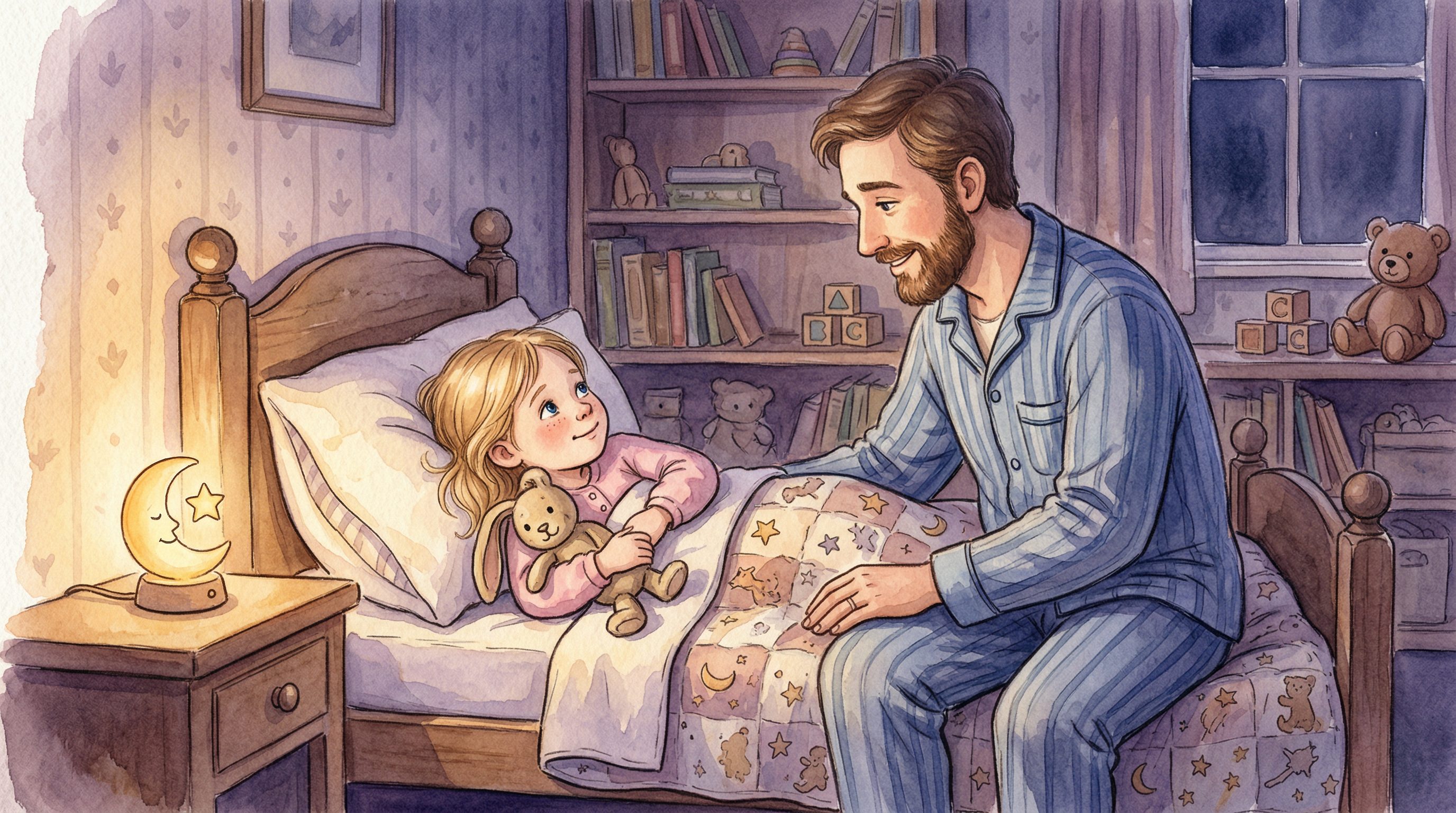
These are the situations where kindness is actually hard — worth naming specifically at bedtime so your kid has thought through them before they're standing in the moment:
Being Kind to Someone Who Has Been Unkind to You
This is the hardest one. Not a stranger, not someone you barely know — someone who has actually hurt you. Your kid has probably already been in this situation. A kid who talked about them behind their back. A friend who left them out.
Jesus is specific about this in Matthew 5:46-47: "If you love those who love you, what reward will you get? Are not even the tax collectors doing that? And if you greet only your own people, what are you doing more than others?" The challenge is that the bar is set above what comes naturally. Easy kindness isn't the goal. Hard kindness is.
You don't have to resolve this in one conversation. But naming it — "has there ever been someone who was mean to you that you had a chance to be kind to, but it felt weird?" — opens the door.
Including the Kid Who's Hard to Include
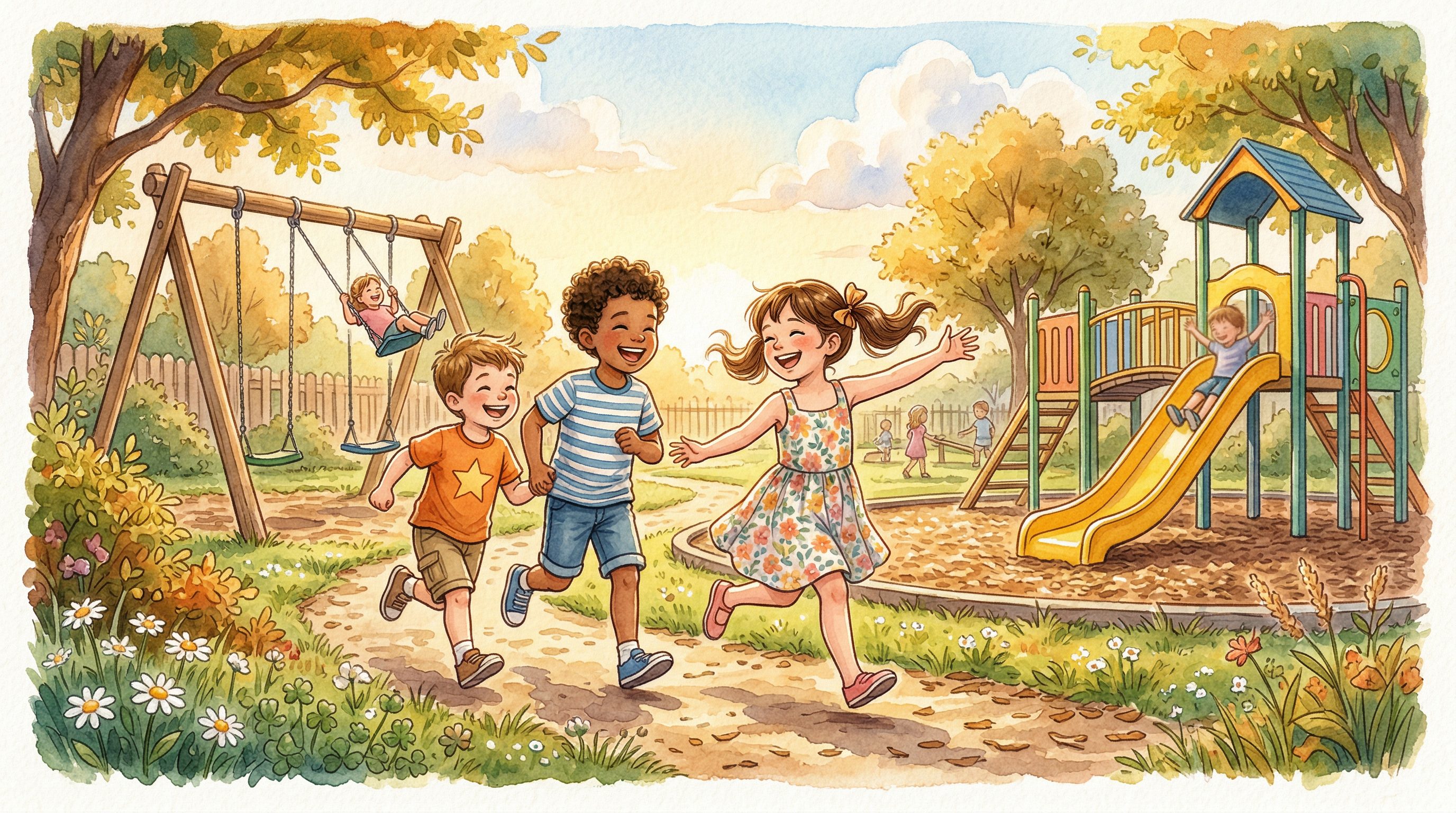
Most kids know who this person is in their class or on their team. The kid who's socially awkward, or smells funny, or gets made fun of. The decision to include them costs something — social capital, comfort, the risk of being associated with them.
This is the Samaritan situation translated to a school hallway. Your kid won't always do the right thing here — that's honest. But having the conversation ahead of time means it's on their mind when the moment comes.
Kindness When Nobody Will Know
Matthew 6:3-4 talks about giving in a way where your left hand doesn't know what your right hand is doing. The principle applies to kindness too: doing something good when there's no audience, no credit, no recognition. That's where character actually lives.
Ask your kid: "Can you think of a kind thing you could do this week that nobody would even know about?" Let them come up with it. That turns the devotional into an action.
<
A Simple Bedtime Framework
You don't need a full lesson plan. A three-part format works well:
- One story or passage — read it, tell it in your own words, or let your kid read it if they're old enough.
- One real question — tied to their actual life, not a hypothetical. "When was the last time it was hard to be kind to someone?" works better than "Why is kindness important?"
- One specific thing to try — not a vague commitment to "be kinder" but a concrete act: writing a note, saying hi to someone specific, letting someone go first. Concrete beats abstract every time.
The random acts of kindness devotional takes this further with specific activities your kid can do — a good next step if you want to make kindness something you're actively practicing together, not just talking about.
When Your Kid Pushes Back
Sometimes you'll get: "But they're mean to me first." Or: "Why do I have to be nice if they're not?"
Don't rush past that. It's a real objection. The honest answer is that kindness toward people who treat you badly is one of the hardest things in Christianity — and it doesn't feel fair, because it's not about fairness. It's about what we're called to do regardless of what we receive back.
You can say it plainly: "You're right that it's not fair. But Jesus didn't call us to only do things that are fair. He called us to do things that are good." That's not dismissive. That's honest. Your kid deserves the honest answer.
For a series that walks through big emotional situations like this over multiple nights, the Power of Kind series on Hosted Devotions was built exactly for this age group — kindness in the specific scenarios where it's actually hard. And the friendship devotional covers the relational side of this — because being kind and being a good friend are connected in ways worth talking through together. If you're looking for a way to make your whole devotion routine feel more alive, making family devotions fun has practical ideas for the format itself.
📖 Read This Tonight
The Power of Kind series takes kids through kindness in the specific situations where it's hardest — not just theory, but real scenarios they'll actually face. Start tonight.
Get Notified When New Series Drop
We add new devotional series regularly. Sign up to hear about them first.
Join the Community