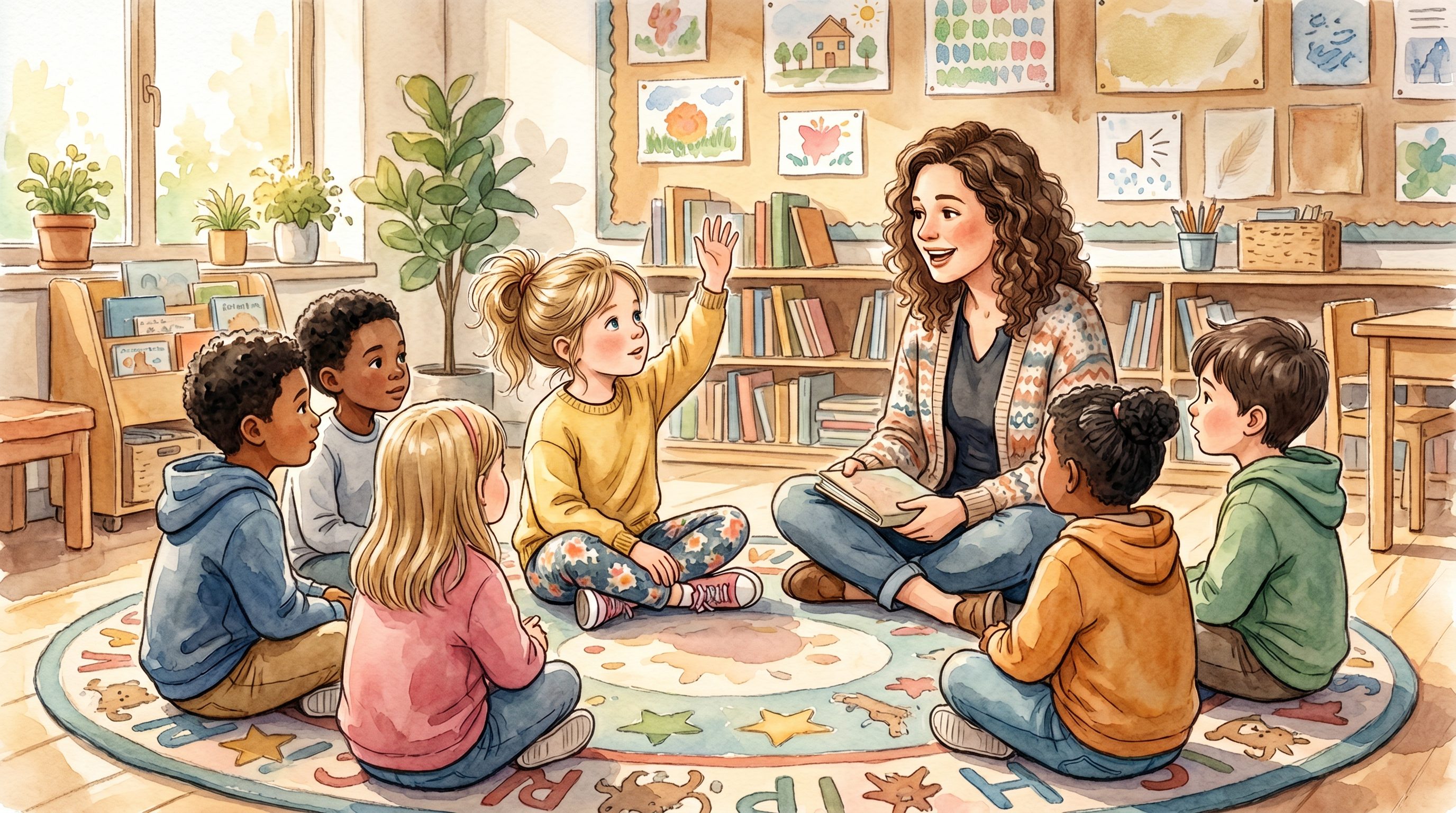
Nobody Teaches Kids to Listen — They Just Expect Them to Do It
You say your kid's name three times and get nothing. You say it a fourth time, louder, and get a slow turn and a blank look. You're not frustrated because they're bad kids. You're frustrated because nobody actually taught them what listening means — just that they're supposed to do it.
Here's the thing most parenting advice misses: listening isn't just a behavior. It's a posture of the heart. And that's exactly where faith comes in.
When you connect listening to something bigger than "because I said so," you give your kid a reason that outlasts your presence in the room. That's the goal. Not obedient robots while you're watching — kids who've internalized why it matters to actually hear another person.
What the Bible Actually Says About Listening
The Bible has a lot to say about listening, and it's not all "obey your parents." That's in there, sure, but the picture is bigger. Proverbs 19:20 says: "Listen to advice and accept discipline, and at the end you will be counted among the wise." James 1:19 is one every dad should have memorized: "Everyone should be quick to listen, slow to speak, and slow to become angry."
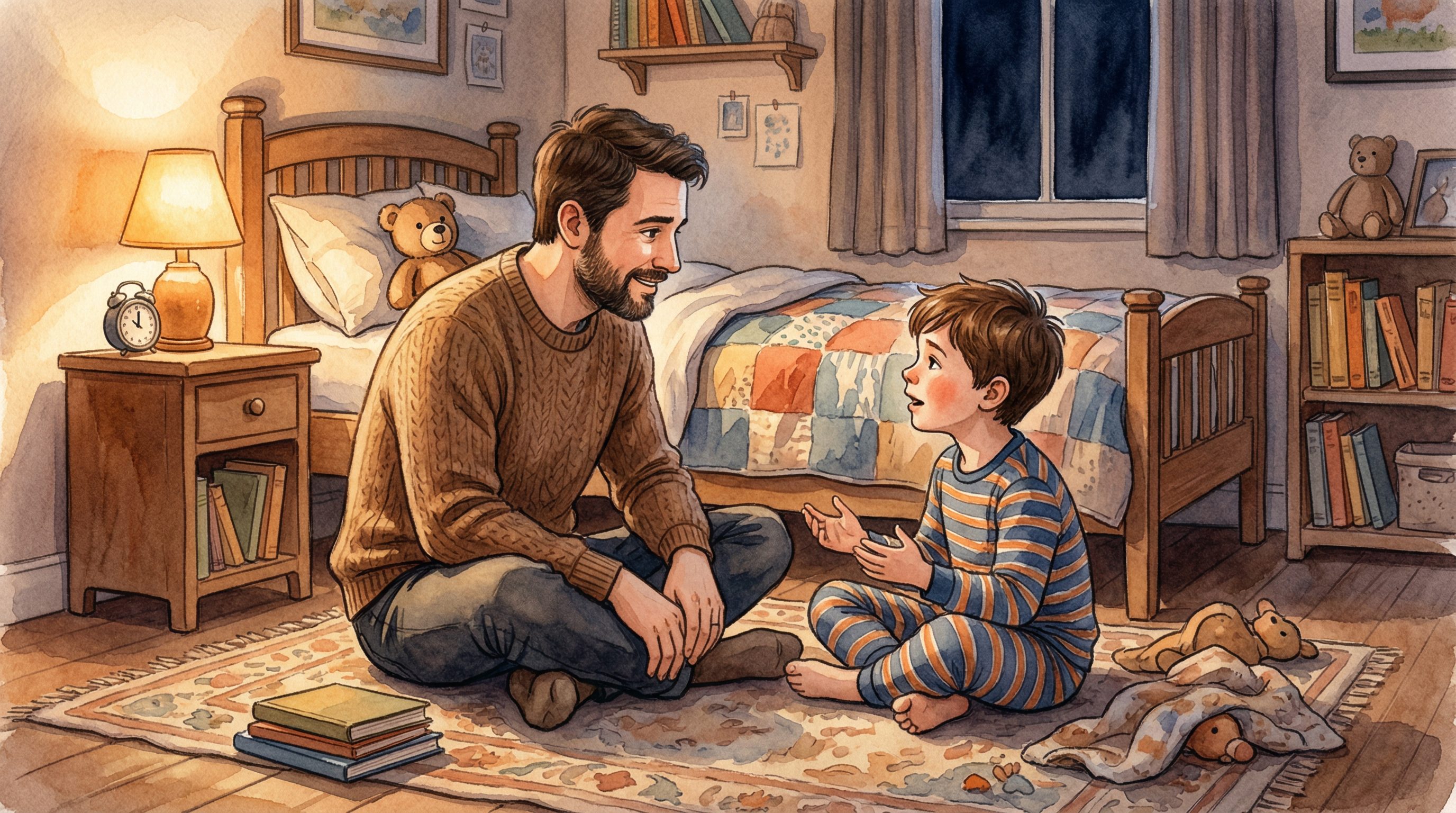
That last one is worth reading to your kid verbatim. Not as a lecture — just read it, let it sit there. Then ask: "What do you think that means? Is that hard for you?" Watch what happens. Kids are more self-aware than we give them credit for.
The biblical picture of listening isn't passive. It's not "be quiet while the adult talks." It's active, humble, deliberate — the kind of listening that changes how you act. That's a skill worth building. And it starts younger than most people think.
<
Why "Because I Said So" Stops Working
There's a phase — usually somewhere around 5 or 6 — where authority-based compliance starts to crack. Not because your kid is a problem. Because their brain is developing, they're testing what's real, and "because I said so" doesn't actually answer the question their mind is forming: Why does any of this matter?
Faith gives you a better answer. Not a preachy one. A real one. God asks us to listen — to Him, to each other, to wisdom when it shows up — because He knows what happens when we don't. We miss things. We hurt people. We make decisions we'd have made differently if we'd slowed down and actually heard what was in front of us.
When you frame listening as something God values — as part of being a person who treats others well — you move the conversation off "follow rules" and onto "become someone." That's the shift that matters.
Practical Ways to Teach Listening at Home
Here are things that have actually worked — not theory, just the stuff that helps:
- Eye contact first, words second. Before you give directions, get eye contact. Kneel down if you have to. This isn't about dominance — it's about connection. Your kid is far more likely to retain what they hear if they were actually looking at you when you said it.
- Narrate what good listening looks like. "Hey — you just stopped what you were doing and looked at me. That's what listening looks like. Good job." Kids need the behavior named and affirmed, not just punished when it's absent.
- Model it during devotional time. When you read together at night, ask questions and then actually wait. Don't answer your own question. Let silence sit. You're modeling that listening means leaving room for an answer.
- Connect it to respect. This is the faith bridge: when we listen to someone, we're saying you matter to me. That's not just a social skill — that's love in action. Your kid can understand this.
For a structured approach to building this out over multiple nights, the Respect devotional series walks through what it actually means to honor the people in your life — and listening is right at the heart of it.
<
Obedience and Listening Are Not the Same Thing
This distinction matters more than it sounds. A kid can comply without listening. They do the thing you asked, but they resented it, they didn't understand it, and they'll push back the next time the moment you leave the room. That's not what you're building toward.
Listening — real listening — produces a different kind of obedience. It's the obedience that comes from understanding. When your kid listens and actually hears why something matters, they can carry that into situations where you're not there. School. Sports. Friendships. Eventually their own marriage and family.
Read this devotional on obedience with your kid if you want a great companion to what we're talking about here — it gets into the heart behind why obedience matters, not just the mechanics of it. And if patience is the sticking point in your house (it usually is), pair it with this devotional on patience — because listening without patience is nearly impossible.
What to Do When Your Kid Genuinely Struggles
Some kids have a harder time with listening than others. That's not a spiritual failure — it's often developmental, or personality, or processing style. Before you assume a listening problem is a heart problem, consider whether your kid might need:
- Shorter instructions (one step at a time, not four)
- Processing time before responding
- A different environment — less background noise, fewer distractions
- More practice, more patience, more positive feedback for getting it right
Faith doesn't remove that complexity. But it does give you a framework that's patient and long-view. You're not trying to fix your kid in a week. You're planting something that grows over years.
That's worth remembering on the days when you say their name four times and still get nothing.
<
The Role of Prayer in Learning to Listen
Here's one more angle worth bringing up with your kid: prayer is itself an act of listening. Most of us have modeled prayer as speaking — telling God what we need, what we're grateful for, what we're worried about. All of that is real and good. But prayer at its deepest is also about sitting still and letting yourself be heard by someone who already knows you.
Teaching your kid to pray slowly — to pause after they speak and just be quiet for a moment — is teaching them that listening is a posture they can practice in every relationship, including the most important one. Start small. "After you say what you want to say to God, just wait for a second. See what comes." You're not promising a thunderclap. You're building a habit of receptivity that will serve them for life.
Making It Part of Devotional Time
The best version of this isn't a lecture before bed. It's a conversation. Ask your kid: "What's one time today when you listened really well?" Then ask: "What's one time when it was hard?" Don't add commentary. Just listen to their answer.
You're modeling the very thing you're teaching. And you're building the kind of trust that makes them want to listen to you.
For a practical devotional routine you can bring this into, this guide on making devotions engaging is a good starting point — it covers how to hold your kid's attention without making it feel like school.
Listening is a spiritual discipline. One of the oldest ones. Teaching it to your kid isn't just parenting — it's formation. And there's no better time to start than tonight.
📖 Read This Tonight
The Respect series walks kids through what it means to truly honor the people around them — including listening, even when it's hard. A natural next step after this conversation.
Get Notified When New Series Drop
We add new devotional series regularly. Sign up to hear about them first.
Join the Community