Turn the Other Cheek Doesn't Mean Stand There and Take It
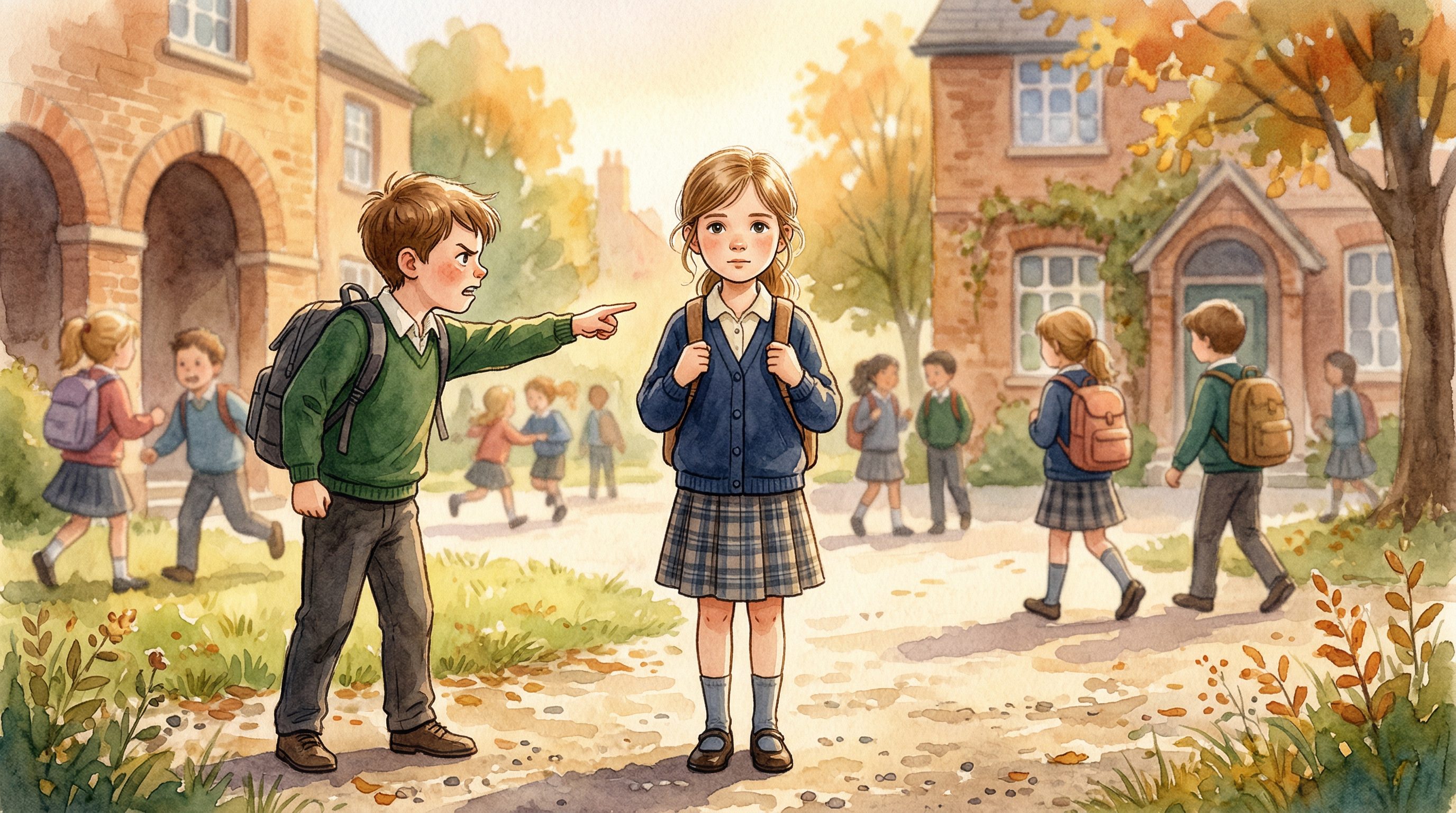
That verse has been doing a lot of damage in Sunday school classrooms for decades. A kid gets pushed around on the playground, tells a trusted adult, and somewhere in the response they get told to "be the bigger person" — which usually sounds, from the kid's perspective, like: don't fight back, let them do it, be nice, and eventually it'll stop.
It doesn't stop. And the kid learns that asking for help leads to advice that doesn't work. So next time, they don't ask.
We have to do better than that. And I think we can — because the Bible, when you actually read it carefully, doesn't tell kids to be passive. It tells them to be strategic, dignified, and grounded in something the bully can't touch.
What Jesus Actually Meant by "Turn the Other Cheek"
In the first century, a backhanded slap to the right cheek was a gesture of contempt — something a person of higher status did to shame someone of lower status. It wasn't a fight. It was a power move designed to humiliate.
When Jesus said to turn the other cheek, He was telling people to offer their left cheek — which forced the other person to either use an open palm (treating you as an equal) or walk away. It was an act of non-violent resistance, not submission. Jesus was telling people to refuse to be humiliated without resorting to violence. He was not telling them to absorb abuse and say nothing.
That changes the teaching entirely. Responding to bullies the Biblical way is not about being a doormat. It's about refusing to let someone else's cruelty define your worth — while not becoming cruel yourself in the process.
What the Bible Does Say About Standing Up
There's more in Scripture about this than most people realize:
Ephesians 6:13 — "Therefore put on the full armor of God, so that when the day of evil comes, you may be able to stand your ground, and after you have done everything, to stand." Stand is the word. Not retreat. Not absorb. Stand.
Proverbs 28:1 — "The righteous are as bold as a lion." Boldness is a virtue. Not aggression, not dominance — but the willingness to hold your ground with confidence. That's not a doormat quality.
Micah 6:8 — "What does the Lord require of you but to do justice, love kindness, and walk humbly with your God." Do justice. That means not letting injustice go unchallenged.
And then there's David — who didn't fight Goliath by being passive, didn't survive Saul's court by pretending nothing was happening, and didn't respond to his accusers by saying nothing. He spoke. He acted. He also ran when that was the wise move. The point is that he wasn't frozen and he wasn't reactive. He was grounded in something bigger than himself, and that groundedness gave him options the fear-frozen person doesn't have.
The Three Responses That Actually Work
When you're teaching your kid to respond to bullies, you're not giving them a script. You're giving them a posture. Here are the three responses that are both Biblical and practical:
1. Name it clearly and walk away. "That's not okay" — said calmly, without anger, looking them in the eye — and then walking away. This is not weakness. It's refusal to engage on the bully's terms. It removes the audience. It communicates that your kid is not going to play the game. And it gives them something to say that doesn't escalate and doesn't shrink.
Practice this with your kid. Say: "If someone says something mean to you at school, what could you say?" Help them land on something short, calm, and clear. The rehearsal matters. Kids freeze in the moment. Giving them words in advance means they don't have to generate them under pressure.
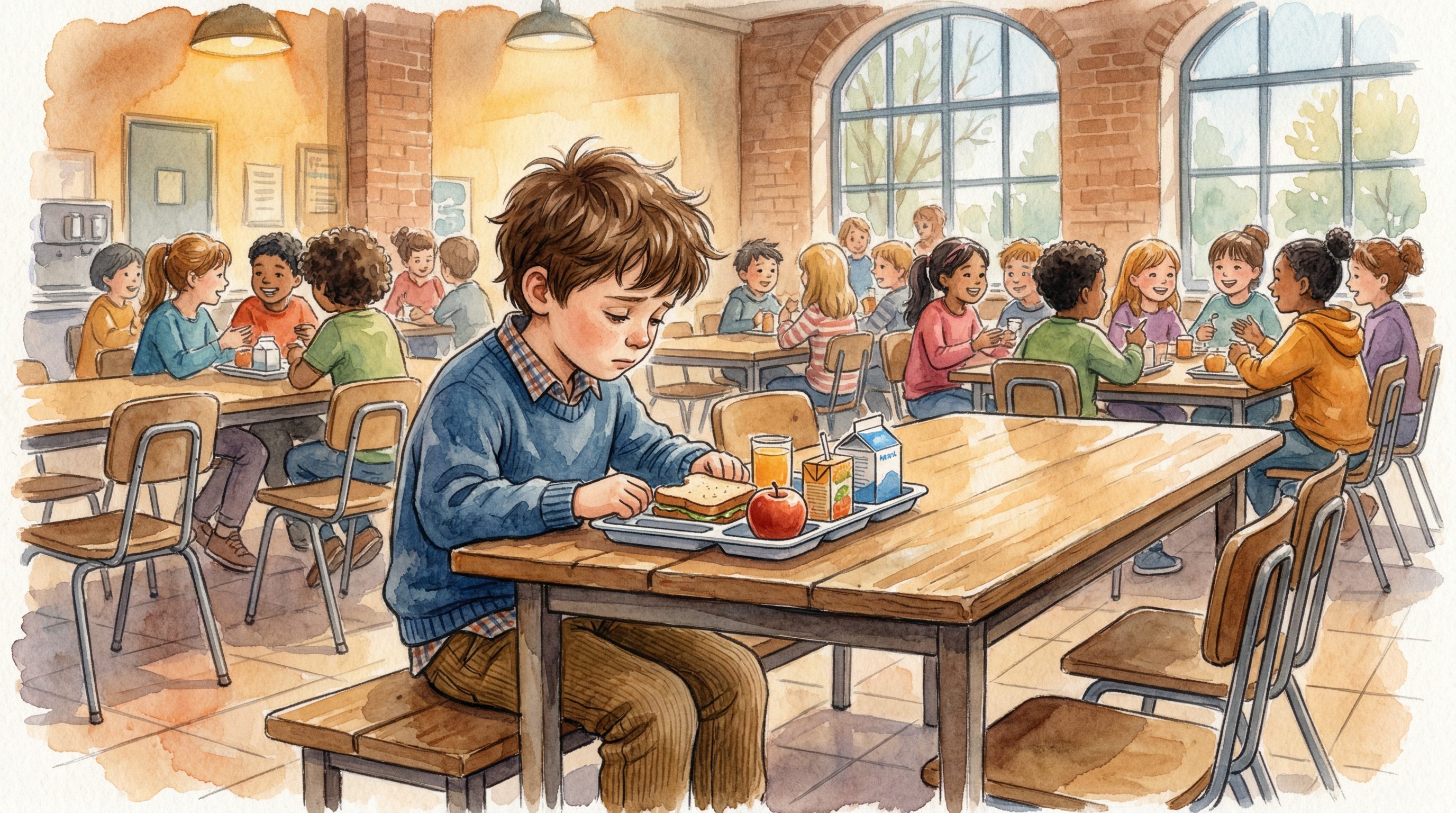
2. Tell an adult who can actually do something. This is different from tattling. Tattling is trying to get someone in trouble. Reporting is trying to stop something that's wrong. Help your kid understand that difference. If you saw a car accident, you'd call someone. Not because you want the driver punished — but because someone is hurt and needs help.
Also: make sure they know you're the first adult to tell. Not to fix it for them — but to help them figure out the right next step. If they think coming to you means you're going to march into school and embarrass them, they won't come to you. Tell them directly: "I'm not going to make it worse. But I want to know."
3. Stay anchored to who they are. This is the hardest one for kids and the most important. A bully's power is almost entirely dependent on making the target believe the bully's assessment of them. You're a loser. Nobody likes you. You're weird. If your kid believes that — even a little bit — the bully wins without escalating.
But if your kid genuinely knows who they are — not in a performance-based "I'm good at sports" way, but in a "I know what God says about me and it doesn't change" way — they have something a bully can't touch. You can't be humiliated by something you don't believe. Identity in Christ is bully-proof at the root level.
What Not to Teach Your Kid
A few approaches that look good but don't hold up:
Don't teach "just ignore it." This works for minor annoyances. It doesn't work for sustained bullying — and it can actually reinforce the behavior because the bully gets no signal that anything needs to change. It also asks your kid to suppress a real response, which has its own costs.
Don't teach "be nice to them, they're probably hurting." This might be theologically true. But expecting a bullied kid to have compassion for the person targeting them, while in the middle of being targeted, is asking too much and misapplying the concept. Teach the compassion after the situation is resolved, when they have distance. In the moment, survival and dignity come first.
Don't tell them they'll regret fighting back more than they'll regret not fighting back. That depends entirely on the situation, and kids can usually tell when the advice they're getting doesn't match the reality they're living in. Be honest: "I know it feels like you need to hit back. I'm not going to pretend that's not a real impulse. But here's why a different response will actually work better for you."
The article on devotionals to help kids through bullying covers how to build this foundation regularly, not just in crisis moments. And if your kid is dealing with online targeting specifically, how to talk to your kids about cyberbullying addresses the digital side of the same problem.
The Conversation to Have Before It Happens
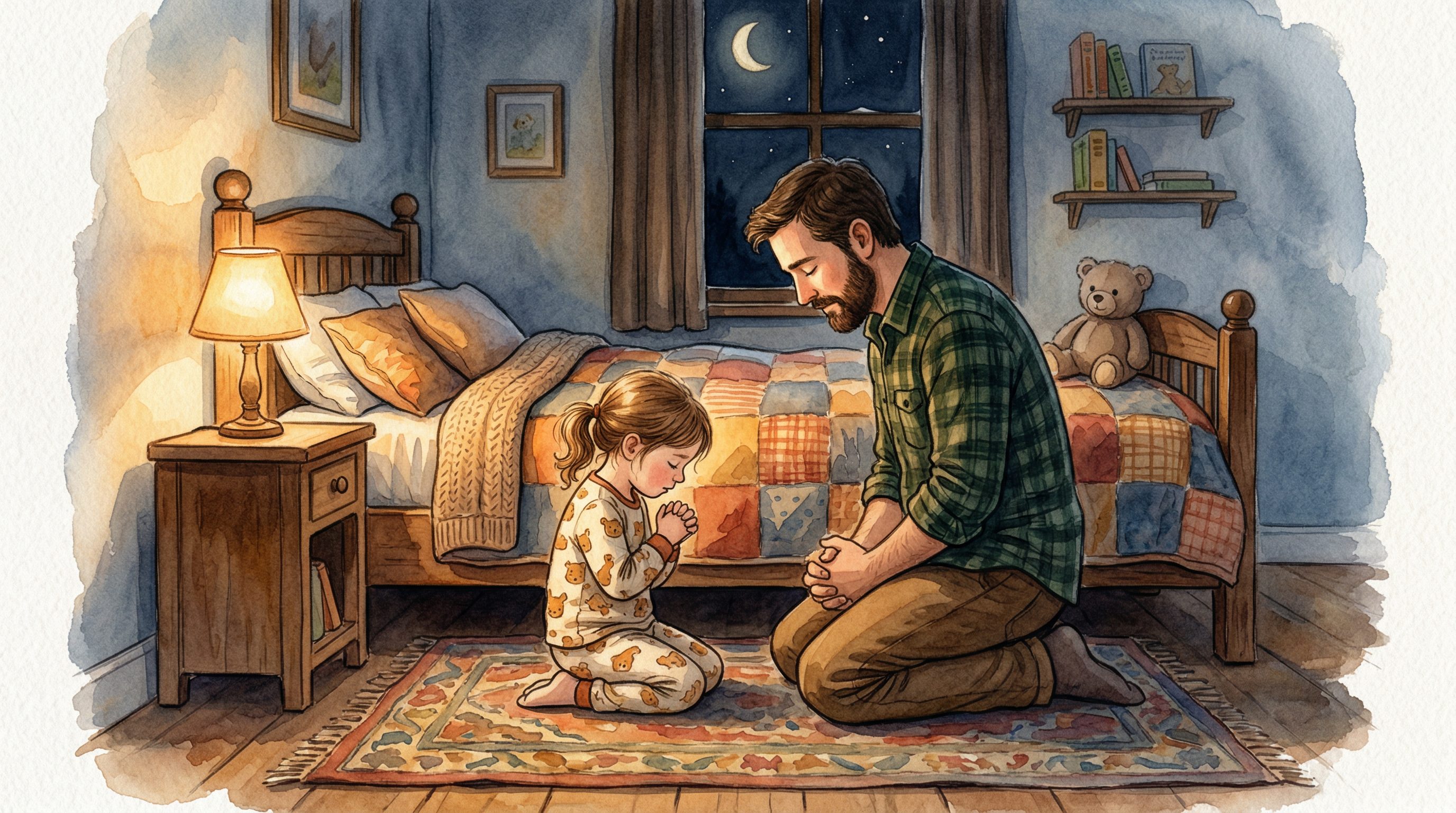
The best time to talk about bullying is not when your kid comes home from school shaking. It's tonight, in a regular bedtime window, low pressure, before there's a crisis.
You could start with: "Hey, I want to talk about something — not because you're in trouble or because I think something's happening. I just want to make sure you know what to do if something ever does."
Then talk through the three responses. Practice the "name it and walk away" line together. Ask them what they'd do. Let them push back — "But what if they follow me?" — and work through it. The conversation is the preparation. The repetition is the armor.
The Bully-Proof series gives you structure for doing this regularly so it doesn't feel like one heavy talk. It makes it part of the rhythm — a regular thing, not a crisis response.
After the Incident: What to Say When They Come Home Bruised
If your kid comes home having been bullied — or having fought back and gotten in trouble — your first response matters more than your advice.
Before anything else: "Tell me what happened." Just listen. Don't start problem-solving. Don't immediately say what they should have done differently. Hear the whole story first.
Then: "I'm glad you told me. That wasn't okay."
Those two responses — being heard and being believed — do more for a kid in that moment than any advice you can give. Once they feel heard, they'll be ready for the next conversation. Before they feel heard, nothing you say will land.
The goal isn't to raise a kid who never gets hurt. It's to raise a kid who, when they get hurt, knows where to go and isn't shaken about who they are. That's what responding to bullies Biblically actually looks like. It's not a perfect strategy. It's a foundation that holds even when the strategy fails.
📖 Read This Tonight
The Bully-Proof series helps kids understand what the Bible actually says about standing up, staying grounded, and keeping their dignity when someone tries to take it. Start it tonight.
Get Notified When New Series Drop
We add new devotional series regularly. Sign up to hear about them first.
Join the Community