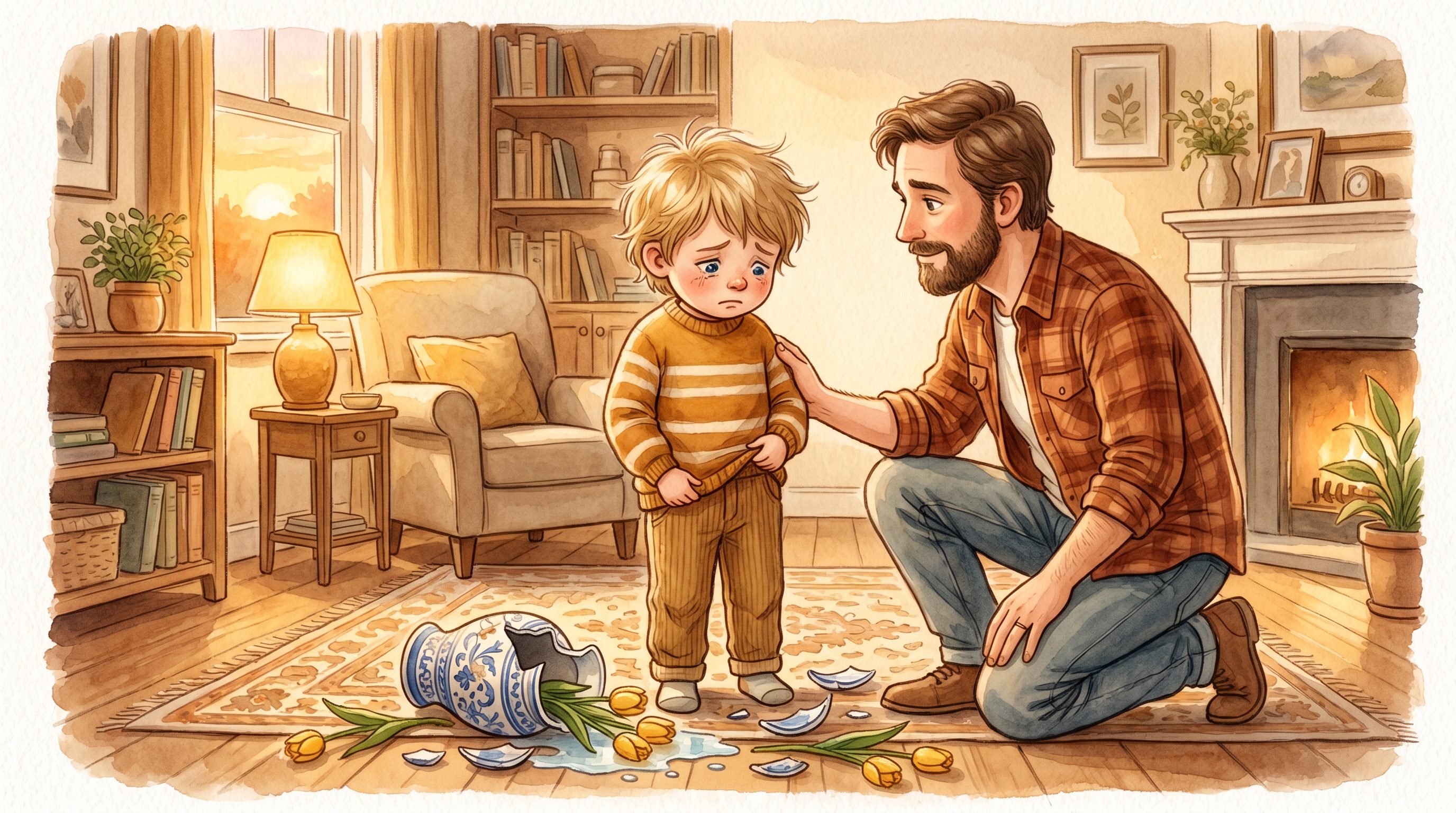
The Moment You Know Your Kid Just Lied to You
You know the look. That split-second freeze before the story changes. The slightly-too-fast "I didn't do it." The eye contact that slides away just a beat too soon. Your kid just lied to you, and you both know it.
Every parent has been there. And most of us handle it the same way: we address the lie, we deal with the consequence, and then we move on. What we don't always do is sit down and actually talk about why honesty matters — not just as a rule, but as something that shapes who your kid is becoming. That's what a devotional for kids about honesty is built for.
This isn't about lecturing your child. It's about giving them a framework for understanding why telling the truth — especially when it's hard — is one of the most important things a person can do.
<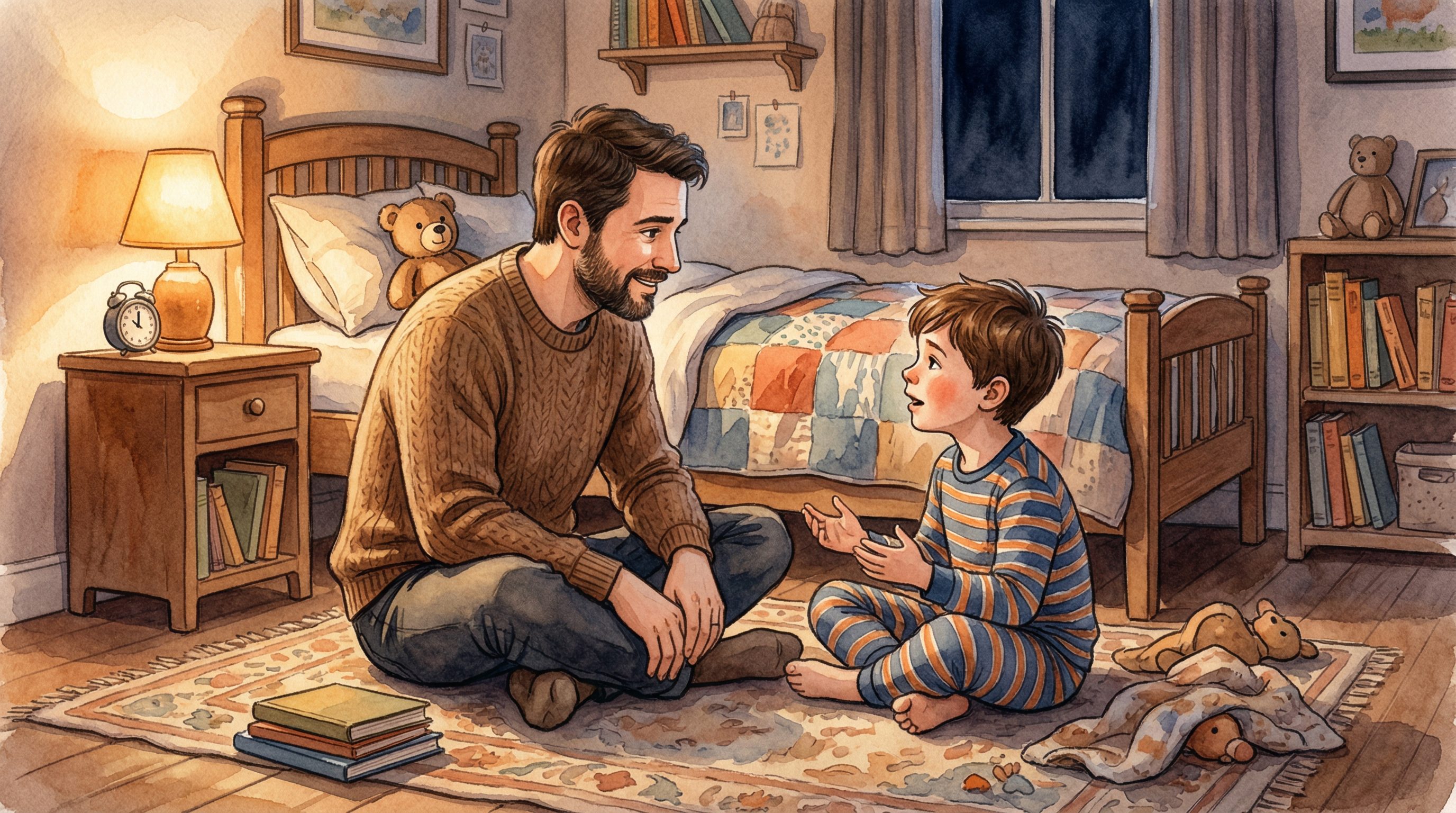
Why Kids Lie (And Why It's Normal)
Before you get into the devotional, it helps to understand what's actually happening when a kid lies. Developmentally, lying is a sign of cognitive growth — your kid has figured out that other people don't automatically know what's in their head. That's a big mental leap. The problem, obviously, is what they do with that knowledge.
Kids lie for a few consistent reasons:
- Fear of consequences. This is the big one. They broke something, forgot something, did something they weren't supposed to — and they're scared of what happens next.
- To protect someone's feelings. This one's actually a sign of empathy — just misdirected.
- To look better. Especially in peer situations. Nobody wants to be the kid who got in trouble or doesn't know the answer.
- Testing limits. Younger kids especially do this. They want to see if you'll catch it.
None of these reasons make lying okay. But understanding them changes how you approach the conversation. You're not just punishing bad behavior — you're addressing the fear, the insecurity, or the misunderstanding underneath it.
What the Bible Actually Says About Honesty
There's a verse that hits different when you explain it right. Proverbs 12:17 says: "An honest witness tells the truth, but a false witness tells lies." Simple, direct. But the context matters: in the ancient world, a false witness could destroy someone's entire life. The stakes of lying were enormous.
For your kid, you can bring it down to earth: when you lie to protect yourself, you often end up hurting someone else — or hurting the relationship. That's the thing about dishonesty. It rarely stays contained.
Another one worth reading together: Ephesians 4:25 — "Therefore each of you must put off falsehood and speak truthfully to your neighbor, for we are all members of one body." Paul is talking to adults, but the logic translates perfectly to kids: we're connected. When you lie to someone in your family, it damages something that belongs to all of you.
And then there's John 8:32 — "The truth will set you free." Kids understand this one more viscerally than we might expect. They know what it feels like to carry a lie around. The weight of it. The constant management of the story. When you ask your kid "how does it feel when you're hiding something?", most of them can tell you exactly how that feels.
<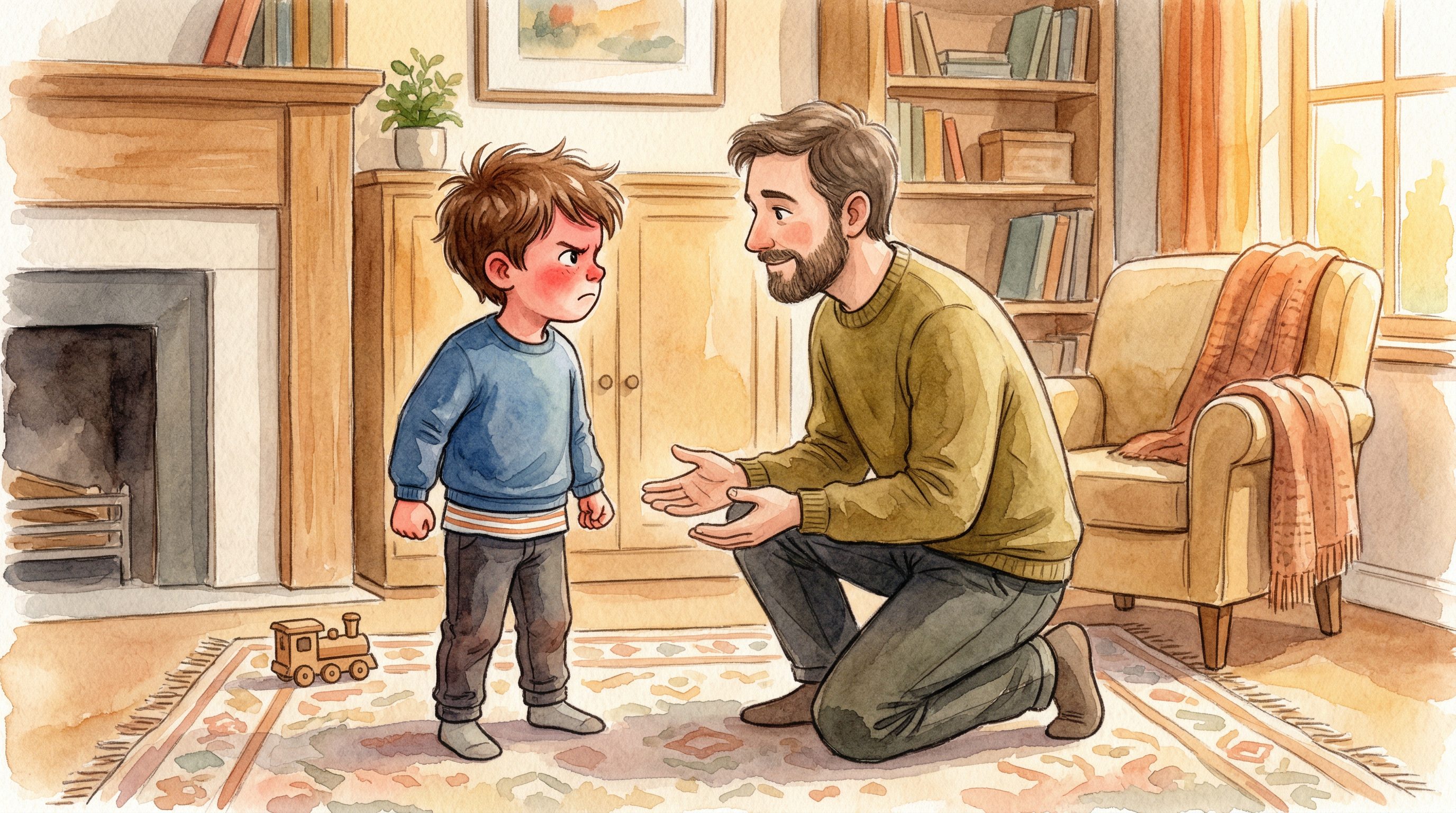
How to Run a Honesty Devotional at Bedtime
You don't need a script. You need a structure. Here's how to walk through a honesty-focused devotional with your kid in about ten minutes.
Step 1: Start With a Story, Not a Lecture
Open with a scenario. It can be made-up or from your own life. Something like: "If you accidentally broke your friend's toy while playing at their house, and they didn't see it happen — what would you do?" Let your kid answer. Don't correct yet. Just listen.
This approach works because it gets your kid thinking about honesty in the abstract before it becomes personal. They're safer in a hypothetical. Once they've worked through the made-up scenario, they're more open to talking about real ones.
Step 2: Read the Verse Together
Pick one of the passages above. Read it slowly. For younger kids, Proverbs 12:17 is the most accessible — it's short and concrete. For older kids, John 8:32 opens up a more interesting conversation.
Ask: "What do you think this means?" Then: "Can you think of a time when telling the truth was the harder option?"
Step 3: Name the Fear
This is the most important step. Lying almost always has a fear underneath it. Help your kid name it. "Were you scared I'd be mad?" "Were you embarrassed?" "Did you not want your friend to think less of you?"
When a kid can name the fear that drove the lie, they have something to work with. Next time that fear shows up, they have a choice: give in to it, or push through it and tell the truth anyway.
Step 4: Talk About What "Truth Courage" Looks Like
I call it truth courage. Some call it integrity. Whatever you call it, the concept is the same: it takes more guts to tell the truth when it costs you something than to lie when nobody's watching.
Ask your kid: "Can you think of someone — maybe in a book or a movie — who told the truth even though it was hard? What happened?" This grounds the concept in stories they already know and love.
Step 5: Close With a Promise, Not a Threat
End with this: "In our family, telling the truth is always the safer choice. You might still be in trouble for what you did. But you'll never be in more trouble for telling me the truth about it."
That promise matters. A lot of kids lie because they've learned — consciously or not — that honesty leads to more pain than silence does. Changing that equation is a parenting shift, not just a devotional topic.
<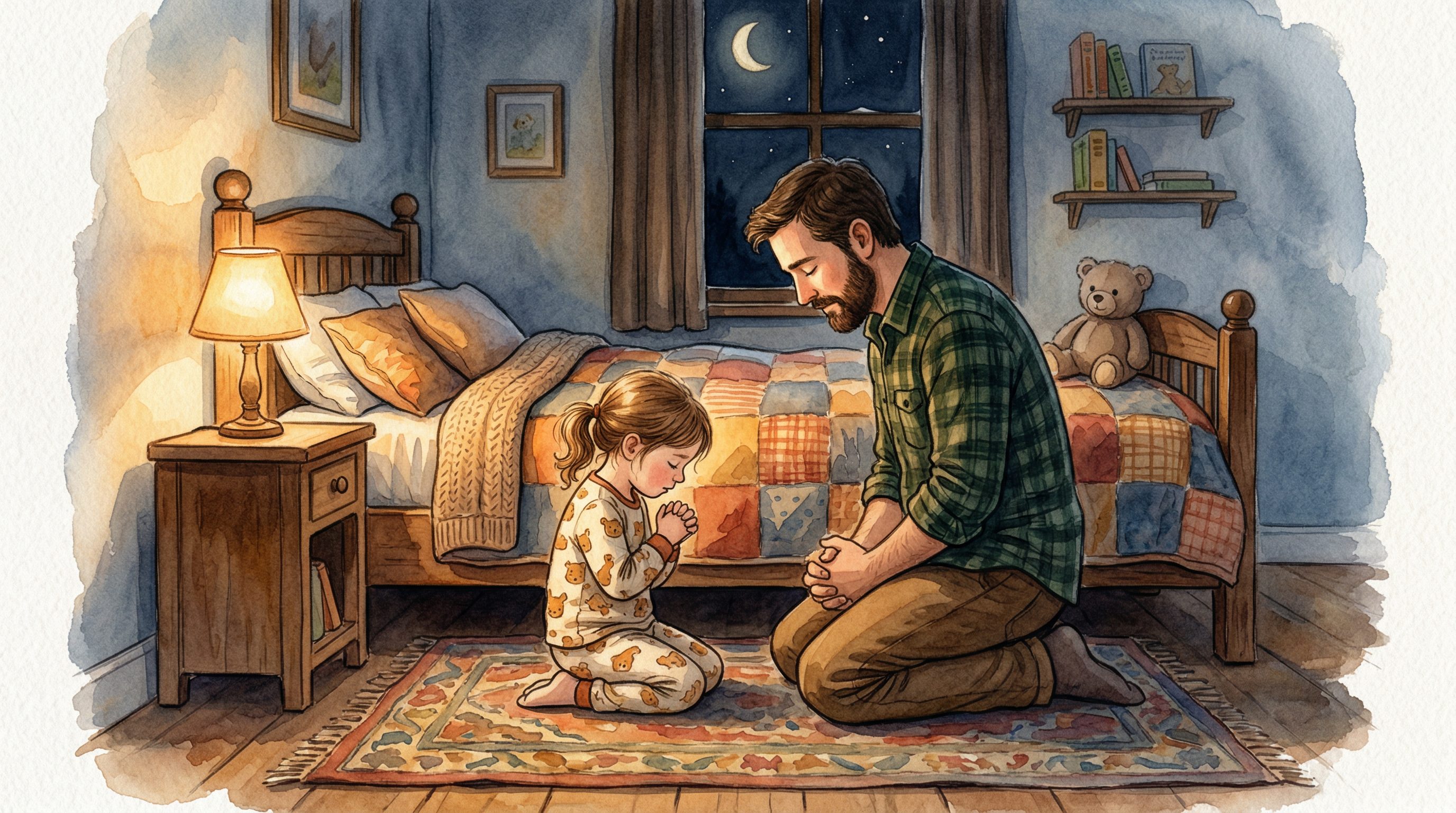
When Honesty Gets Really Hard
There are levels to this. Breaking a toy is one thing. Telling on a friend is harder. Admitting to a parent that you made a seriously bad choice — that's a whole different ask.
One of the things I've tried to build into bedtime conversations with my boys is this idea: you can always tell me anything. Not as a slogan. As a consistent message that gets reinforced over time. "You can always tell me anything" only works if they've tested it and found it to be true.
That means sometimes you have to regulate your own reaction when the truth comes out. When your kid tells you something hard — really hard — and you manage not to blow up, you teach them that honesty is safe. That's more valuable than any devotional.
If you want to go deeper on the practical side of having these conversations, Teaching Kids to Tell the Truth: A Bible-Based Approach walks through specific techniques and age-appropriate strategies. And for kids who struggle with shame as part of the honesty equation, our devotional on forgiveness is worth pairing with this one — because a lot of dishonesty comes from kids who don't believe the relationship will survive the truth.
The Long Game
Honesty devotionals don't produce instant results. You're not going to read Proverbs 12 tonight and never have a lying incident again. What you're doing is slower and more important: you're giving your kid a vocabulary for honesty, a theology for why it matters, and a relationship with you that makes telling the truth feel like the better option.
That's the long game. And it's worth playing.
If your kid is also working through anger alongside honesty — which often go hand in hand when kids feel cornered — the devotional on anger is a natural companion to this one. Kids who learn to manage anger are often better at telling the truth, because they're not as afraid of the emotional reaction that might follow.
The Hosted Devotions library has series built specifically for character development at bedtime — the kind of conversations that are hard to start cold but flow naturally when you've got a structure to follow.
Practicing Honesty as a Family — Not Just Preaching It
Here's the uncomfortable truth about teaching your kid to be honest: they're watching you. The way you talk about why you were late to something. The way you handle a billing mistake that went in your favor. The way you talk about people when they're not in the room. Kids learn their honesty standards from what they observe at home, not from what they're told in a devotional.
That doesn't mean you have to be perfect. It means you have to be consistent — and willing to own it when you're not. One of the most powerful things I've done with my boys is admit when I was wrong about something. Not a big dramatic confession. Just: "Hey, I said something that wasn't totally accurate earlier. Here's what's actually true." It's a small thing. But it signals that honesty is something we practice in this family, not just something you tell kids to do.
Family honesty habits that actually stick:
- When you catch yourself exaggerating, correct it. Out loud. In front of your kid.
- Celebrate your kid's truth-telling in specific terms: "I know that was hard to tell me. I'm really glad you did."
- Ask your kid honesty questions at dinner — not interrogation-style, but curious: "Was there a moment today where it would have been easier to lie?"
- Tell them when you're proud of someone for being honest. Real examples from your own life.
None of this replaces the devotional work. But it reinforces it — day after day, in ways that outlast any single bedtime conversation. That's the compound interest of consistent parenting. Small deposits, made regularly, that add up to something significant over years.
📖 Read This Tonight
The Big Feelings series includes nights specifically about fear and truth-telling — great for kids who lie because they're scared of getting in trouble. Start it tonight.
Get Notified When New Series Drop
We add new devotional series regularly. Sign up to hear about them first.
Join the Community