The Kid Who Makes Your Kid Worse
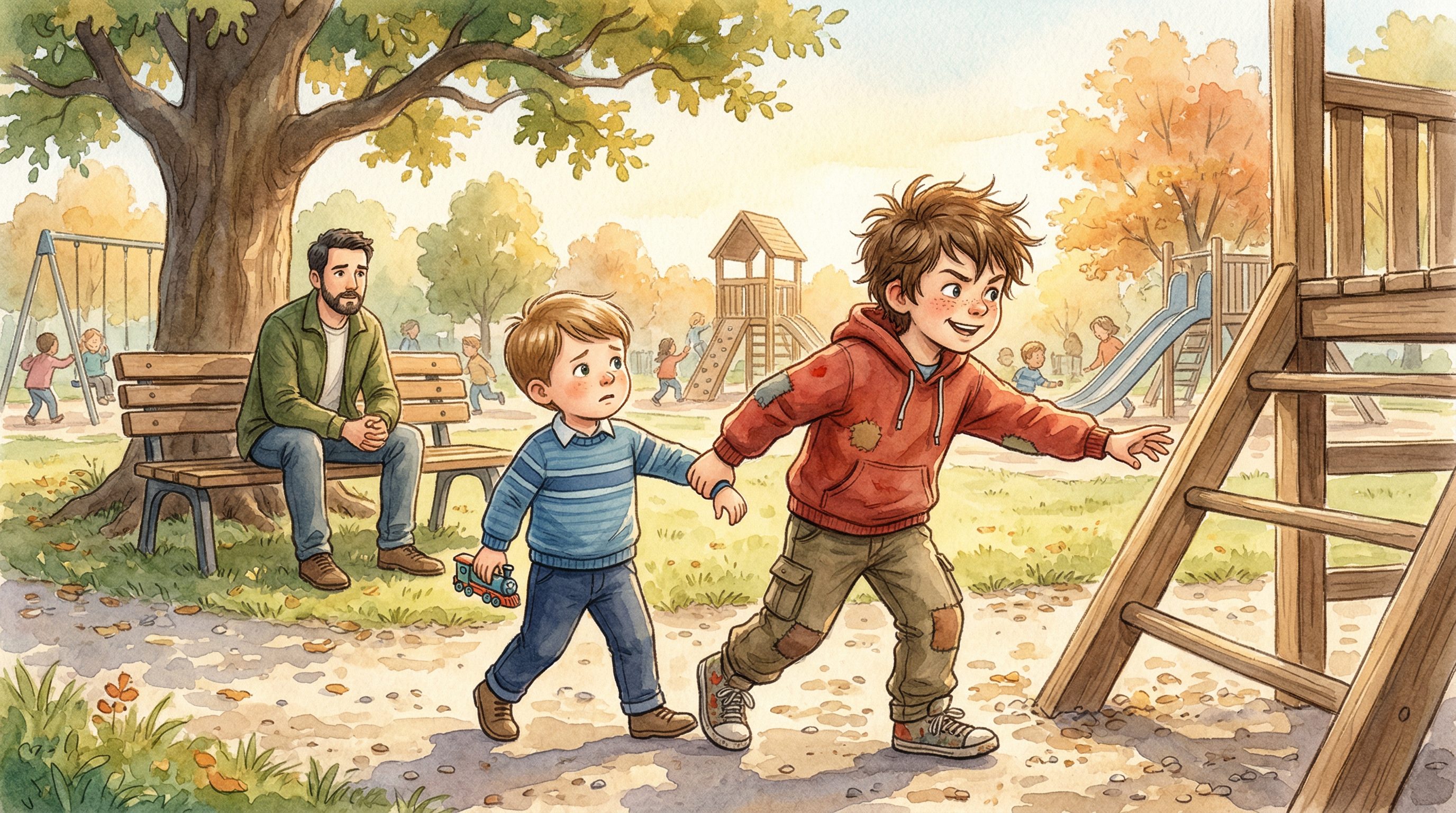
You know the one. Your son comes home from school and something's off. He's using language you didn't teach him. He's talking back in a tone he didn't have last month. Or maybe he's not doing anything obviously wrong — but every time he spends time with this particular kid, something shifts. The attitude. The energy. The choices. You're not imagining it.
And now you've got a problem, because you can't exactly walk up to another dad and say, "Your son is a bad influence on mine." You can't forbid the friendship without looking like the overprotective dad who's going to teach his kid to be a social coward. And you can't do nothing — because you're watching your kid get pulled in a direction you don't like, and it's happening in real time.
This is one of the harder parenting moments. It doesn't make the news. It doesn't have a dramatic solution. It just requires you to be smart, patient, and intentional — which is harder than it sounds at 9 p.m. when you're exhausted.
Here's what I've learned — from watching my oldest navigate his friendships, from talking to other dads who've been through it, and from faith that actually has things to say about who we surround ourselves with.
First: Be Honest About What You're Actually Seeing
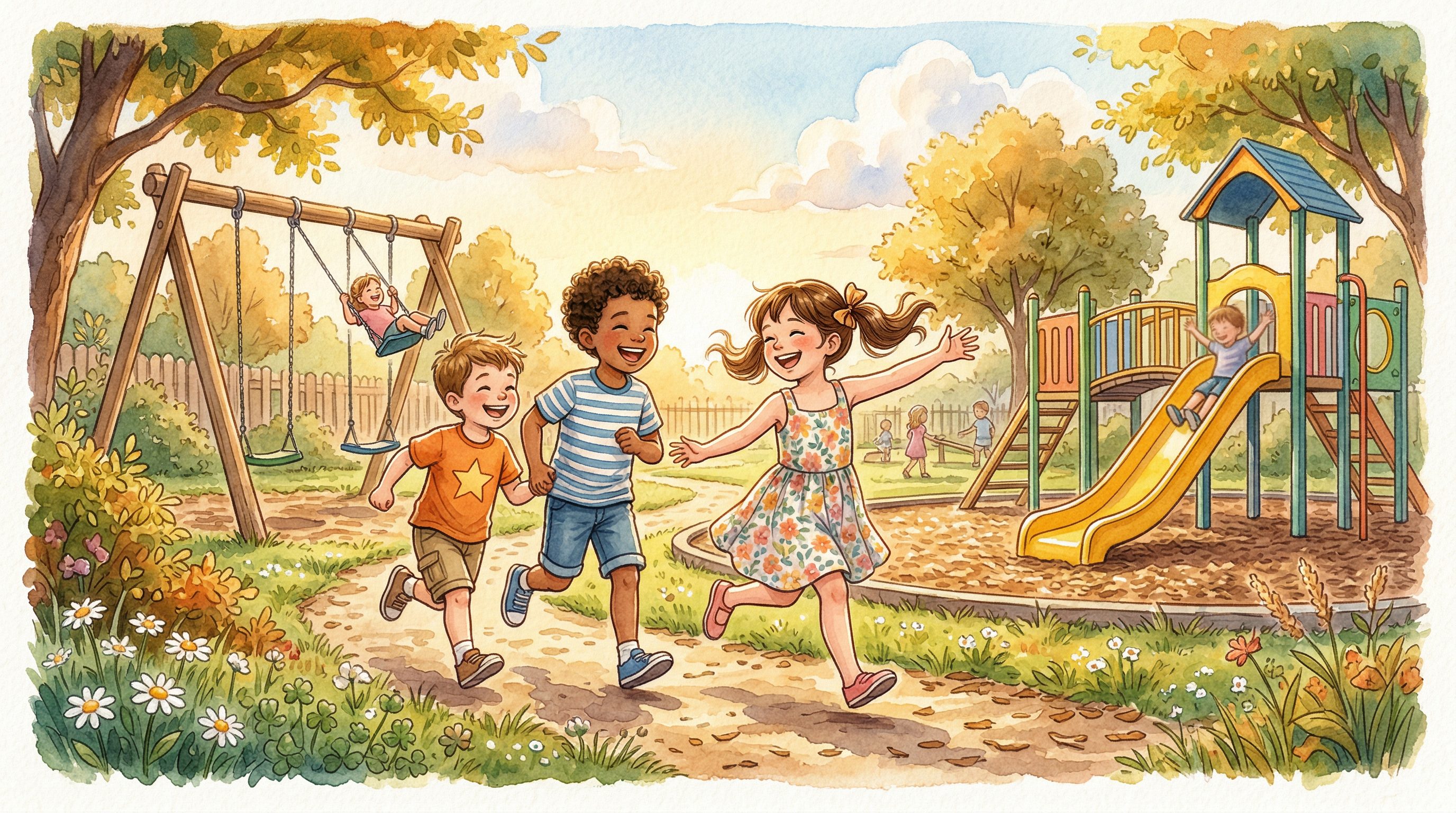
Before you do anything, get specific. "This kid is bad" is not a plan. It's also probably not entirely true. Most kids who are a bad influence on your child are not villains — they're kids with their own stuff going on. What matters isn't whether the other kid is good or bad in some absolute sense. What matters is what happens to your kid when they're together.
Ask yourself:
- Does my kid make worse choices when this friend is around?
- Does the friendship bring out selfishness, dishonesty, or cruelty?
- Does my kid act ashamed of his own values when this friend is involved?
- Has my kid started lying to me about time spent with this friend?
If the answer to any of those is yes consistently — not once, but as a pattern — then you've got real information to work with. Not a vague feeling. A pattern.
And if the answer is mostly no, and the kid just seems rough around the edges but your son is holding his own? That's actually a different conversation — one about your trust in your kid's character. Don't confuse "this kid isn't polished" with "this kid is dangerous."
What the Bible Actually Says About This
Here's the part that might surprise you: the Bible is remarkably direct about friendships. This isn't a "the Bible says be nice to everyone" situation. It's specific.
Proverbs 13:20 doesn't beat around the bush: "Walk with the wise and become wise, for a companion of fools suffers harm." Not might suffer harm. Not risks harm. Suffers harm. The word "companion" here refers to the people you choose to spend time with — your regular circle. Not a stranger you meet once.
1 Corinthians 15:33 is equally plain: "Bad company corrupts good character." That's not a suggestion. It's an observation about how humans actually work. We absorb the people we're around. Kids especially. Their brains are literally wiring themselves based on what they observe and imitate. The kid your son spends the most time with is shaping who he becomes.
This doesn't mean isolate your kid from everyone imperfect. Jesus didn't do that. He walked into hard places. But he walked in grounded — with a clear sense of who he was and what he was about. That's what you're trying to build in your son.
The devotional library at Hosted Devotions has series specifically designed for helping kids build that kind of grounded identity — including series on friendship and handling peer pressure and bullying. These aren't preachy. They're designed to be read at bedtime, together, and they open conversations you'd struggle to start cold.

What Not to Do
Let's clear some bad options off the table first.
Don't issue an ultimatum. "You can't be friends with him anymore" is the fastest way to make that kid more appealing. Forbidden things have power. You want to reduce the power, not amplify it. Ultimatums also teach your son that you don't trust his judgment — which means he stops bringing you his judgment problems. You lose the inside track.
Don't trash the other kid. Not to your son's face, not in earshot of your son. Even if the other kid is genuinely troubling, badmouthing him puts your son in the middle. His loyalty instinct will kick in and he'll defend the friend — and now you've become the problem instead of the friend.
Don't panic. One bad influence doesn't ruin a kid. The research on peer influence is real, but so is the research on parental influence. You have more power here than it feels like in the moment. The relationship you're building with your son right now — including what you read with him at bedtime, the conversations you have, the values you're slowly knitting into him — that's what holds when external pressure pushes.
What Actually Works
The goal is not to end the friendship. The goal is to strengthen your son's identity so that no single friendship can define or derail it.
Name what you're observing, not what you're concluding. There's a difference between "That kid is bad news" and "I've noticed you act differently after you spend time with him. Can we talk about that?" The first shuts the conversation down. The second opens it. Your son is more likely to think critically about the friendship if you help him notice it himself.
Keep the environment controlled without making it look controlled. You don't have to ban the friend. You can just make sure most of the time they spend together happens at your house, where you can watch the dynamic. If the friend is the problem, the dynamic will show itself. If your son is holding his own, you'll see that too. Either way, you learn something.
Invest in your son's other friendships. If this one friend is his whole social world, of course the influence is outsized. Get him into environments — a sport, a youth group, a hobby — where he's building relationships with other kids. The bad influence gets diluted when there are more good ones in the mix.
Talk about loyalty and discernment. These are values, and values need to be taught. Loyalty to a friend is a good thing — but loyalty to a person who pulls you away from who you actually want to be is self-betrayal. Help your son see the difference. That's a conversation worth having at bedtime, slowly, over time. Not as a lecture. As a real question: What do you think a good friend actually does for you?
If you're already reading devotionals with your son, connecting those conversations to bigger faith questions can help him build the kind of internal compass that peer influence can't easily move. That's what you're after.

The Deeper Work: Building a Kid Who Can Handle Bad Influences
Here's the honest truth: you can't control who your kid is drawn to. You can limit, redirect, monitor, pray — and you should. But the long game isn't protection from bad influences. The long game is raising a kid whose identity is secure enough that bad influences don't get traction.
That identity gets built over thousands of small moments. The times you told him what you see in him. The nights you read something together and talked about what it meant. The mornings you called him before school and said, hey buddy, remember your mission today. Those deposits don't show up immediately. But they're being made, and they hold.
Proverbs 22:6 — "Train up a child in the way he should go; even when he is old he will not depart from it." That's not a promise about perfect outcomes. It's a statement about the lasting power of early formation. What you're doing right now matters more than it looks like it does.
The friend your son has right now may be a problem, or may be less of one than you think. Either way, the answer is the same: keep building into your son. Keep the relationship strong enough that he brings you the real stuff. Keep the conversations going. Keep showing up at bedtime even when you're tired.
You don't have to have a perfect answer to a bad friendship. You just have to keep being the dad who's in the room, paying attention, and pointing north.
📖 Read This Tonight
If your son is navigating tricky friendships, the Good Friend series gives him a framework for what a real friend looks like — at his level, in his language. Start tonight.
Get Notified When New Series Drop
We add new devotional series regularly. Sign up to hear about them first.
Join the Community