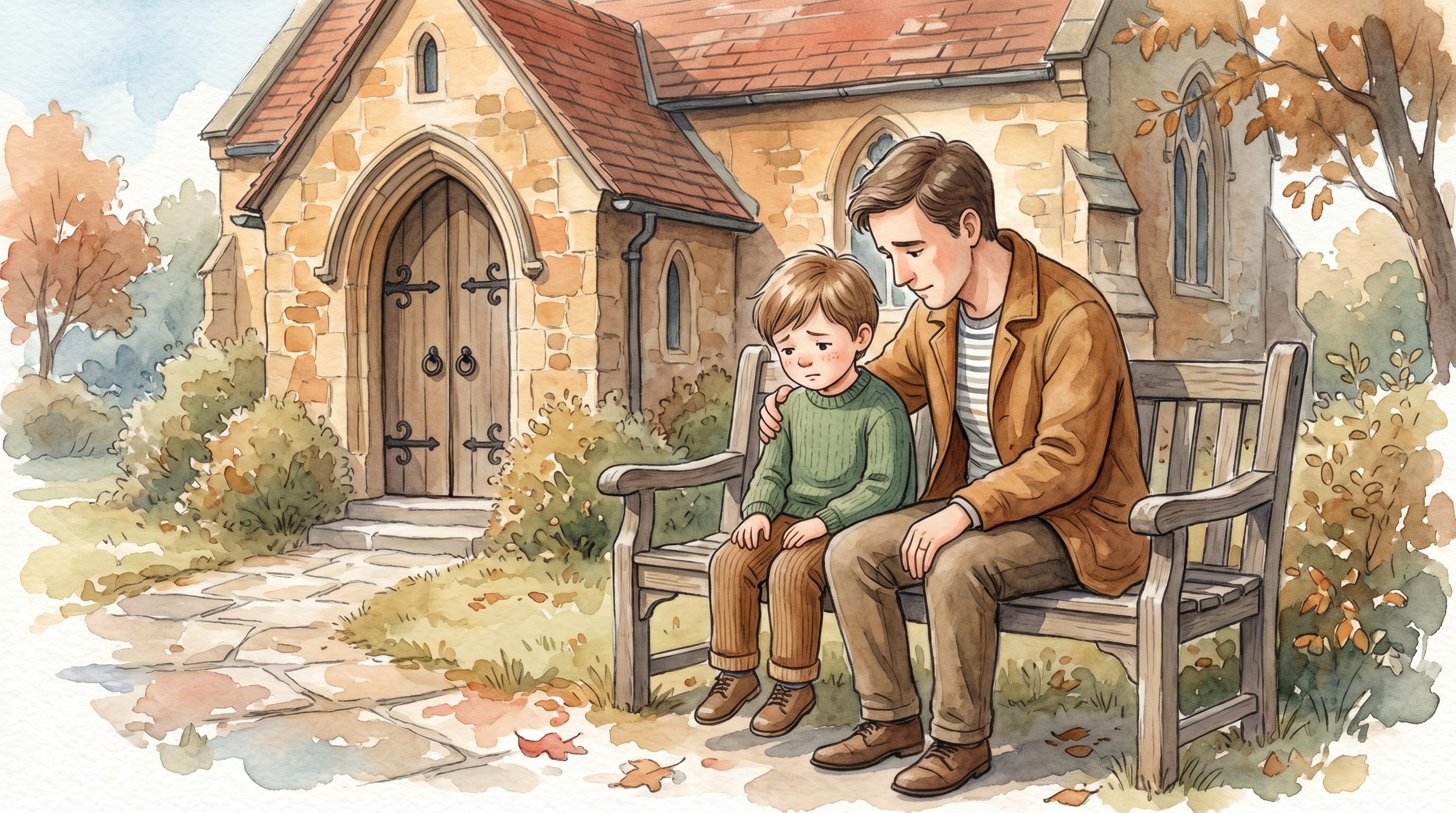
Church Hurt Is Real — And Your Kids Are Absorbing It
Let me start here: if your family has been hurt by a church — really hurt, not just disagreed with a sermon — this article isn't going to minimize that. Church hurt is real. Pastors fail their congregations. Elders make terrible decisions. Communities that should offer safety sometimes cause harm. Families leave. Sometimes they have to.
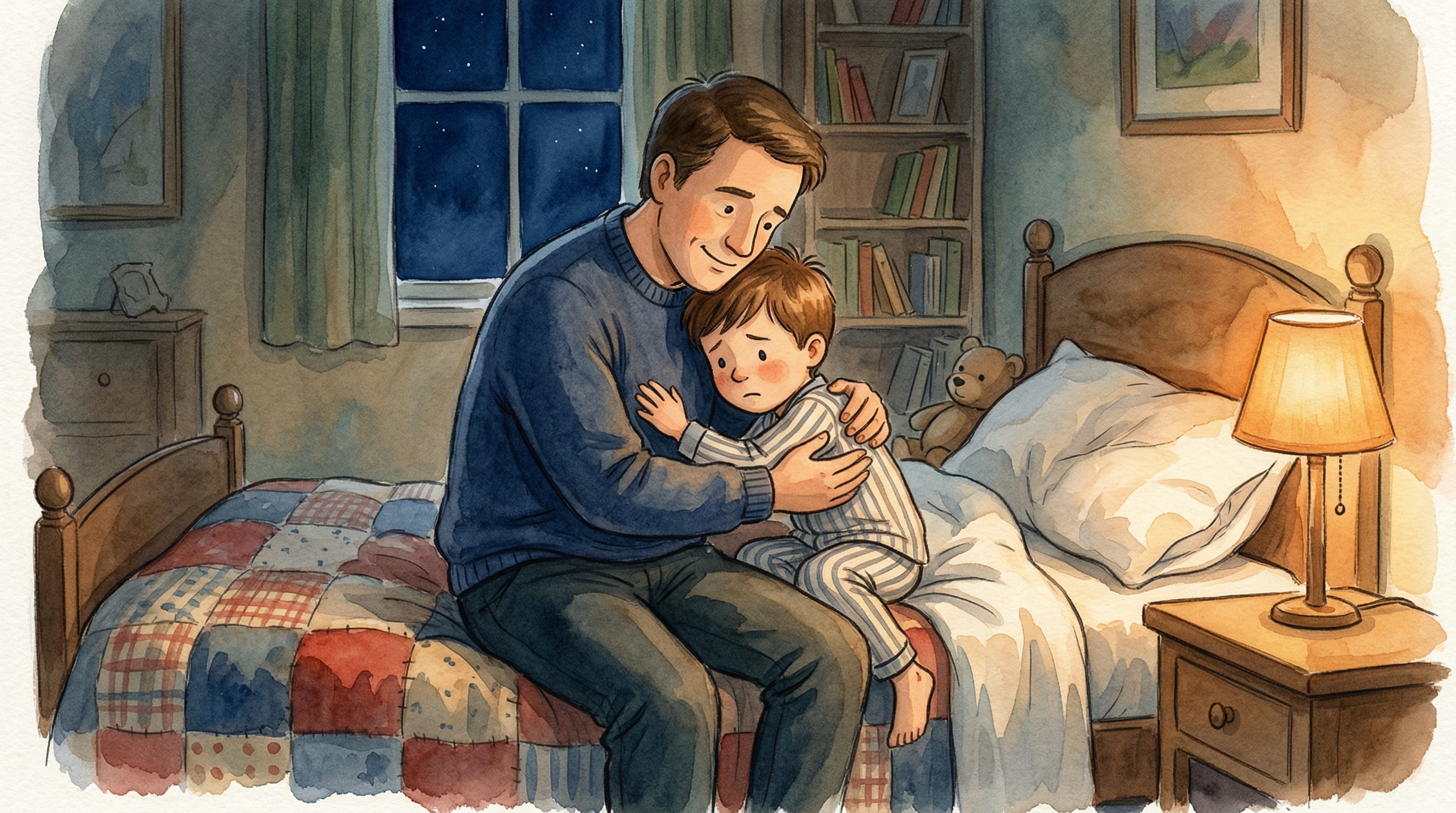
What I want to talk about is what happens to the kids in those families. Because here's the thing parents don't always anticipate: children absorb church trauma even when adults work hard to protect them from it. They pick it up from the tension. From the hushed conversations. From the way Mom cries on the way home from the last service. From the sudden absence of people who used to be in their lives every Sunday.
And without language for what's happening, kids draw their own conclusions. Those conclusions are often about God — not about people, not about institutions, but about God himself. If church was supposed to be where God is, and something terrible happened there, what does that mean about God? That's the question a child is carrying, even if they never say it out loud.
The work a parent has to do isn't just healing their own wounds. It's helping their child separate what happened from who God is. That's not easy. But it matters enormously.
What Kids Hear When Adults Don't Explain
Adults tend to process painful church experiences in adult ways: they talk about theology, leadership failures, spiritual abuse, broken trust in institutions. Kids don't process that way. Kids need concrete, honest, age-appropriate language. Without it, they fill in the gaps.
Here's what kids commonly conclude when a family leaves a church under difficult circumstances — even when nothing is said directly to them:
- Church is a place where people get hurt.
- Adults who said they were good people turned out not to be.
- Our family isn't welcome somewhere we used to belong.
- Maybe God let this happen — or caused it.
That last one is the most dangerous, and it's the one that has the longest tail. A child who, at age 8 or 10 or 12, conflates a church's failures with God's character is a teenager who is going to have serious questions about whether faith is worth anything at all. The time to address the distinction is now — not when they're sixteen and the wound has calcified.
Separating God from the People Who Failed
This is the core conversation. It has to happen explicitly, not implicitly. Kids don't pick this up by osmosis. You have to say it.
The specific words matter less than the clarity of the message. Something like:
"What happened at that church was because of people making bad choices. People in churches make mistakes — sometimes big, hurtful ones. That's not God doing that. God wasn't the problem. The people were. And it's okay to be angry at what happened. But I don't want you to think that God hurt us. People hurt us. God is still good."
That's not a magic script. You'll need to adjust for your child's age, for what specifically happened, for how much they actually know. But the structure matters: name what happened, assign it to humans, protect the character of God. Don't rush past this. Give your child room to push back. "But why did God let it happen?" is a valid question and it deserves a real answer — or honest acknowledgment that you don't have a complete one.
The guide on answering hard questions about God goes deeper on how to handle the questions that don't have tidy answers. It's worth reading if your child is in a season of questioning.
How to Do a Devotional When Church Feels Broken
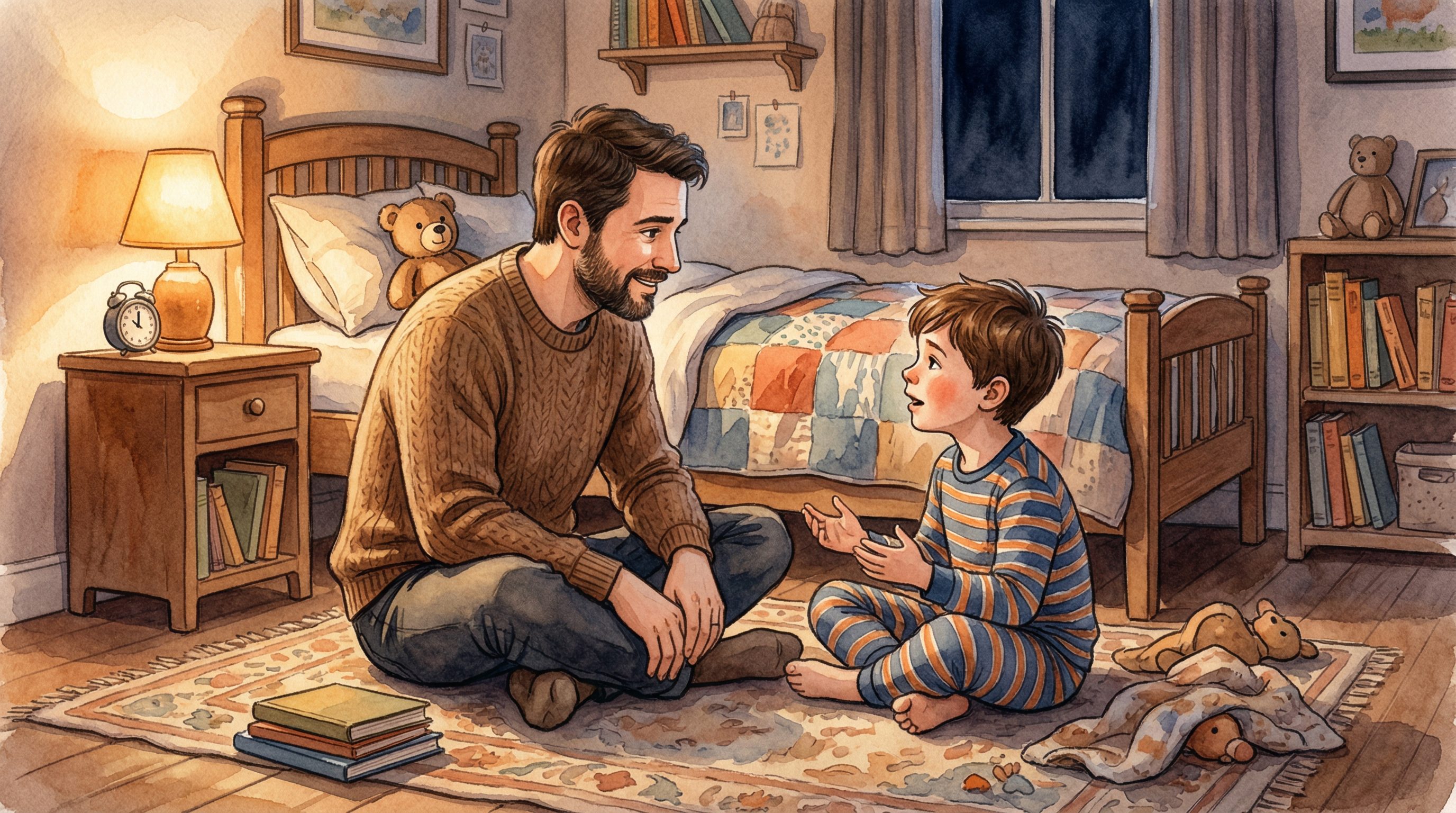
Here's the practical tension: you might be in a season where your child doesn't trust church, doesn't want to go to a new one, and is angry in a vague and hard-to-articulate way. And you're supposed to sit down and do a devotional with them at bedtime. That can feel absurd.
It isn't. In fact, home devotionals are more important during a church crisis, not less. Here's why: when institutional faith fractures, personal faith has to carry more weight. If a child's only experience of God was mediated through a church community that then hurt them, and now that community is gone — they have nothing left. But if there's been a quiet, consistent practice at home of connecting with God independent of Sunday morning, that thread doesn't snap when the institution does.
That's the thing worth building. Not a firewall against institutional religion. Just a foundation that doesn't depend entirely on institutional religion to hold.
Some devotional themes that work particularly well during or after a church hurt experience:
God Isn't Surprised by People's Failures
The Bible is full of people failing — prophets, kings, disciples, religious leaders. This isn't hidden. Psalm 146:3 — "Do not put your trust in princes, in human beings, who cannot save." The Bible itself warns against conflating human leadership with divine character. That's an honest place to start with a child who's been burned by church leadership.
Anger at Injustice Is Honest
The Psalms of lament — Psalm 13, Psalm 22 — are the Bible's permission slip for honest anger directed at a situation, even when God is in the room. "How long, Lord? Will you forget me forever?" is Scripture. It's not faithless — it's faith honest enough to say the hard thing. Read a few verses of a lament Psalm with your child and normalize the idea that anger and faith can exist in the same moment.
Belonging Isn't a Building
Matthew 18:20 — "Where two or three gather in my name, there I am with them." Talk about what this means in practical terms. Your family, around a kitchen table or at the edge of a bed doing a devotional, qualifies. God isn't absent because you're not in a church building. Community doesn't have a minimum square footage requirement.
This pairs well with whatever comes next for your family — whether you're in the process of finding a new church or still in the raw stage of just trying to heal. The guide for kids starting a new church is worth reading when you're further down the road and beginning to think about that transition.
What Not to Say
A few things that tend to make this worse, even when they're well-intentioned:
"All churches have problems." True — but it dismisses what happened at this church specifically. Your child needs to process this particular experience before they can hold the general principle.
"The people who hurt us weren't real Christians." Theologically complicated, and practically, it sets up a category of "real Christians" that never fail — which is going to break badly the next time someone does. Better: "They were Christians who made very bad choices. Christians can do that too."
"God allowed this for a reason." Maybe someday your child can sit with that. Not now. When a child is in the middle of pain, "God has a plan" can sound like God endorsed what happened to them. Leave the theodicy for later. Stay close to what's concrete and kind.

The Long Game
Church hurt doesn't resolve in one conversation. It often doesn't resolve in one year. Some of what your child is carrying right now won't fully surface until they're adults — until they have to make their own decision about whether to walk into a church door for the first time on their own.
What you're doing now, in the small conversations and the quiet devotionals and the honest acknowledgment that something real happened, is laying groundwork. You're building a version of faith in your child that isn't fragile — that has room for human failure without concluding that God failed.
That's patient, unglamorous work. It doesn't feel like enough when your child is angry or withdrawn or asking questions you don't have answers to. But it is enough. It's the right work. The child who is allowed to be honest about the wound is the child who has a chance at real healing.
There's no devotional series that fixes church hurt. But if you're looking for something to read through during this season, the guide on talking to kids about loss has useful framing for how children process significant grief — because leaving a church community, especially under painful circumstances, is a real form of loss. The same principles apply.
And when you're ready — when your family is ready — build something of your own. A devotional specific to your family's story, your questions, your healing. Sometimes the most useful thing isn't a pre-made resource. Sometimes it's something written for exactly where you are.
One Last Thing
If you're reading this in the middle of it — the church hurt is still fresh, the anger is still loud, your child is confused and you don't have great answers yet — I just want to say: you don't have to have it figured out to show up. The devotional doesn't require you to be healed first. It requires you to be present. Honest. Willing to sit in the hard questions with your child rather than shutting them down.
That's the thing your kid needs most. Not a theology of suffering. Not a perfectly curated explanation of institutional failure. Just a parent who says: I'm still here. God is still here. And we're going to figure this out together.
That's enough to start with. That's more than enough.
📖 Read This Tonight
Start something personal — build a devotional that speaks directly to your family's experience. Or browse the library for a series that meets your child where they are right now.
Get Notified When New Series Drop
We add new devotional series regularly. Sign up to hear about them first.
Join the Community