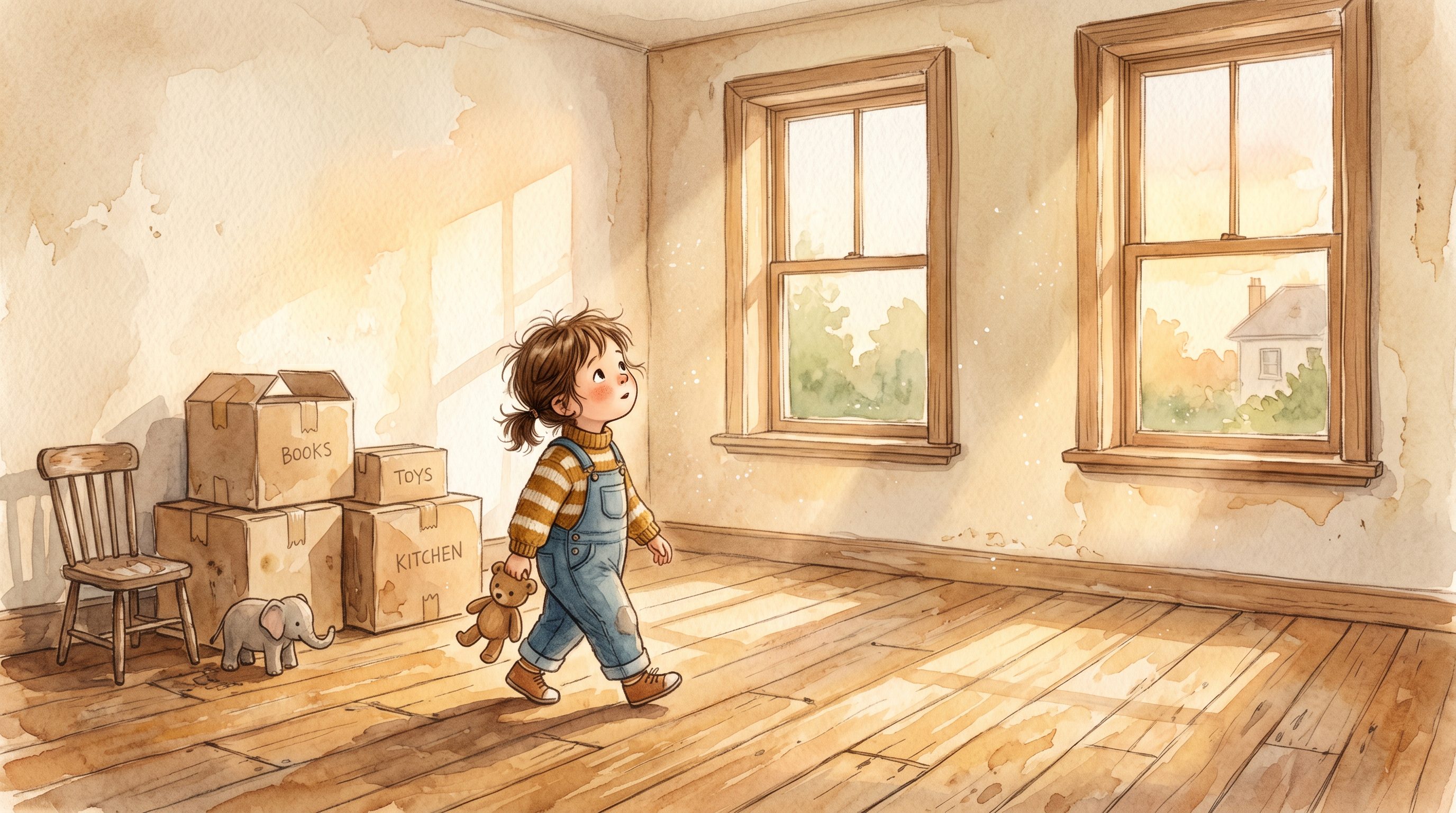
The House Is New. The Dad Isn't.
Moving is sold to kids as an adventure. And sometimes it is — new bedroom, new backyard, new neighborhood to explore. But underneath the adventure, there's almost always a quieter current: this doesn't feel like home yet.
That's not a complaint. It's just true. Home isn't the physical structure — it's the accumulated weight of familiarity, routine, memory, and presence. And those things take time. You can't unpack them. You can't arrange them. They have to be built.
Which means your job, as the dad, in the weeks and months after a move, is less about getting the house right and more about making the home. And a faith-based approach to that isn't just religiously motivated — it's practically effective. Kids who have a spiritual anchor — a sense that God's presence isn't geography-dependent — adjust faster and with less anxiety than kids who don't.
Here's how to actually do it.
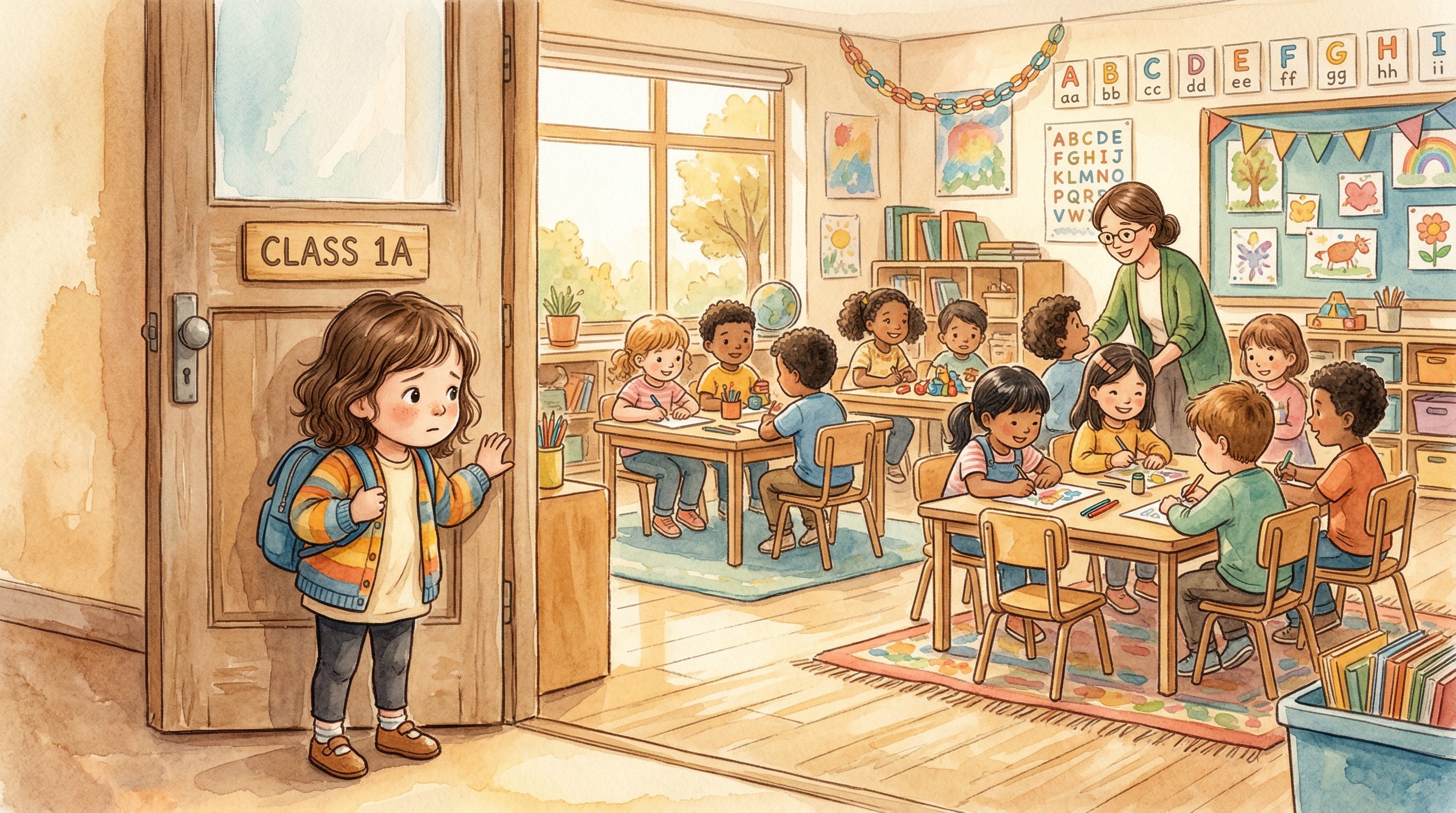
Understanding the Adjustment Timeline
Parents often expect kids to adjust faster than they do. Research on childhood relocation consistently shows that full social adjustment — real friendships, a felt sense of belonging — can take six months to two years, depending on the child's age and personality. That's a long time to be in a holding pattern.
The first few weeks are often the hardest, because the novelty hasn't worn off yet but the loneliness is starting to set in. Your kid might still be excited about the new room, but at school, nobody knows them. At the park, there are no familiar faces. At bedtime, the shadows are different.
Faith-based support during this window doesn't shorten the timeline. But it changes what the timeline feels like. Instead of just waiting for adjustment, your child is actively being told a true story: You have a God who knows you by name, who was there before the move and is here now, and whose presence is not contingent on your zip code.
That's not platitude. That's a genuine cognitive and emotional anchor that makes the waiting period livable. And a dad who shows up every night with that story is doing something that no new neighborhood or new school will do on its own.
What a Faith-Based Approach to Adjustment Actually Looks Like
It's not a series of pep talks. It's not a prayer every morning that everything will work out. Here's what it concretely looks like:
Consistency of Practice
The most powerful thing you can do spiritually after a move is keep doing what you were doing. Same devotional time, same rhythm, even if everything else is different. Your kids draw stability from the continuity of your leadership — and a devotional at bedtime, in the same way you always did it, in a new house, sends a message that runs deeper than words: Dad is still Dad. We're still us.
New Traditions With Old Roots
The new house gives you a chance to establish new practices that are native to this place. A walk around the neighborhood on Sunday mornings. A prayer for the new school year in the new backyard. These don't replace what came before — they add to it. And over time, they become the memory that makes this place feel like home. Home is built from repeated experiences, not from walls and floors.
Honest Conversations About What God Is Like in New Places
Biblical stories are full of this — figures who moved, were displaced, found themselves in unfamiliar territory, and discovered that God was already there. These stories aren't just encouraging; they're truthful. And truth lands differently than cheerfulness. When your kid says "I don't like it here," a story about someone who didn't like where they ended up either — and found God there anyway — is more useful than "it's going to be great."
For the devotional side of this, the When Things Change series is built exactly for moments of upheaval and transition. It's not move-specific, but it addresses change, uncertainty, and God's consistency in a language kids can absorb. Pair it with the moving devotional article and you have both the framework and the reading material.

Helping Kids Make the New Place Feel Like Home
Alongside the spiritual practice, here are concrete things that help kids adjust to a new home — not instead of faith, but alongside it:
Let Them Own Their Space
Let your kids make decisions about their bedroom. Where does the bed go? What's on the wall? This matters more than it sounds — having personal agency over their space gives them a stake in the new place. It shifts the narrative from "this was imposed on me" to "I made part of this." That shift is real and significant.
Find One Thing First
Don't try to rebuild the entire social world at once. Help your kid find one thing — one activity, one team, one club, one class. One potential friend. The goal in the first few months isn't belonging everywhere. It's belonging somewhere. One anchor point is enough to start.
Name the Good Stuff Specifically
When something good happens in the new place — even small things — name it out loud. Not to force positivity, but to help your kid notice what's accumulating. "Hey, you laughed at dinner tonight. I don't think you did that the first week." Observations, not pressure. You're helping them see that the new place is becoming real, not just waiting for the old one to come back.
Don't Rush the Grief
Your child is allowed to miss the old place, maybe for a long time. Resisting that grief — or cheerleading past it — makes it worse. The most connecting thing you can do is simply acknowledge it: "I know you miss it. I do too, sometimes. That's okay." Give the sadness space. It will move on its own schedule. Your job is to make sure your kid doesn't feel alone in it while it does.
Also worth reading: devotionals for kids starting a new school addresses the social adjustment piece specifically, because school is often the sharpest edge of a move for kids. And if you're navigating this as a family with a spouse who needs to get on the same page about building spiritual rhythms in the new home, getting your spouse on board with devotions covers how to make the faith practice a shared effort rather than a solo project.
What Kids Actually Need From You Right Now
Underneath all the practical stuff — the school research, the neighborhood walks, the new routines — what your kids actually need from you in a new home is evidence that you're still you. That the dad who showed up at bedtime in the old house is the same dad showing up at bedtime in the new one.
The devotional is that evidence. Not because it's magic, but because it's deliberate. It says: I thought about this night. I thought about you. I came prepared.
That's what kids remember. Not the house. Not the neighborhood. The dad who sat down in the chaos and said, "Let me read you something."

The Long Game
Here's the thing about helping kids adjust to a new home through faith: most of what you do won't have visible results for weeks or months. You'll read the devotionals, have the conversations, make the small traditions — and your kid will still miss the old place. Still be lonely at school. Still ask when you're going back.
That's not failure. That's how adjustment works. The faith piece isn't the shortcut. It's the foundation. It's what the adjustment gets built on top of. And when your kid, six months or two years from now, says — "I feel like this is home now" — part of what made that possible is the accumulated weight of a dad who showed up every night with something true to say.
You're building more than a house right now. You're building a home. Start tonight.
📖 Read This Tonight
The When Things Change series speaks directly to kids navigating big transitions — perfect for the weeks and months after a move when everything still feels unfamiliar.
Get Notified When New Series Drop
We add new devotional series regularly. Sign up to hear about them first.
Join the Community